Planning a trip to Vietnam from Canada is exciting—until you suddenly realize that you still need a visa. It happens more often than many travellers expect. Flights are booked, hotels …

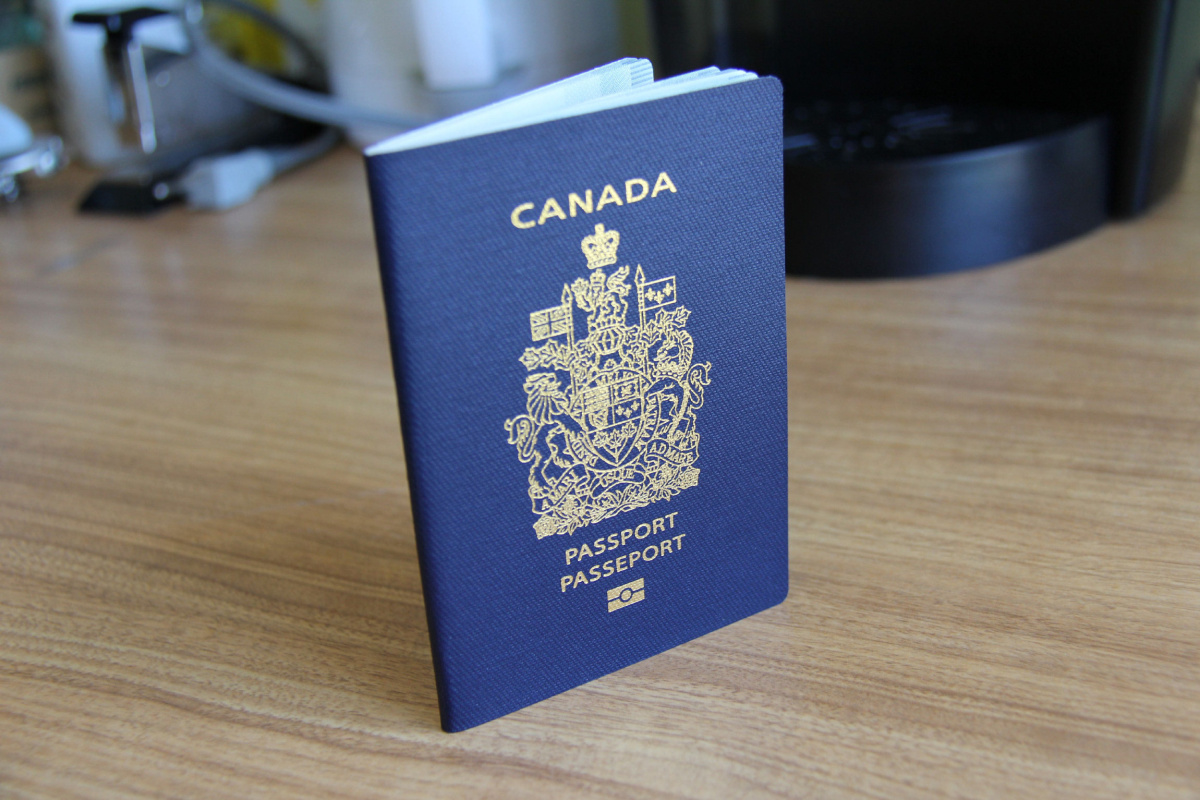
Your flight to Vietnam is booked, your accommodations are confirmed, and your itinerary may already include the historic streets of Hanoi, the lantern-filled evenings of Hoi An, and the nonstop energy of Ho Chi Minh City. Before you begin packing, however, there is one essential travel detail to settle: do Canadian citizens need a visa to enter Vietnam? It is easy to leave visa research until the final days before departure, especially when the rest of the trip seems fully organized. Unfortunately, discovering an entry requirement at the last minute can create avoidable pressure, additional costs, or delays to your travel plans. The good news is that Canadian passport holders can complete the Vietnam visa application process online. By preparing the correct documents, selecting a visa that matches your itinerary, and reviewing every detail before submission, you can approach your departure with greater confidence. This guide explains the main visa rules for Canadian travellers, the available visa options, application requirements, online steps, expected processing times, and common mistakes worth avoiding.
Yes. Canadian passport holders generally need a valid visa to enter Vietnam, including for a short holiday. Canada is not included among the nationalities currently covered by Vietnam’s standard unilateral visa-exemption program, so travellers should arrange the appropriate visa before departure.
Canadian citizens with valid passports may apply online for a Vietnam electronic visa. The e-Visa may be issued for a single entry or multiple entries and can remain valid for up to 90 days, depending on the dates and option selected in the application.
There is a limited exception for travellers visiting Phu Quoc Island. A foreign visitor may qualify to stay on Phu Quoc without a visa for up to 30 days when arriving under the applicable island-exemption conditions and remaining within the permitted area. This exemption should not be treated as permission to continue to mainland Vietnam.
If your itinerary includes Hanoi, Ho Chi Minh City, Da Nang, Hoi An, Hue, Nha Trang, Ha Long Bay, or any other destination beyond Phu Quoc, you should obtain a valid visa before travelling. The same applies when your flight arrives directly at an airport on the Vietnamese mainland.
Entry policies can be amended, so it is sensible to confirm the applicable requirements before purchasing non-refundable travel arrangements. Applying early also leaves time to correct inaccurate information or respond to additional document requests.

The two options most often discussed by Canadian travellers are the Vietnam e-Visa and Visa on Arrival. For ordinary tourism, the e-Visa is generally the simpler and more practical choice.
A Vietnam e-Visa is issued electronically, allowing eligible applicants to complete the process online rather than visiting an embassy. Once the application is approved, the visa document can be downloaded and prepared for the journey. Canadian travellers may apply for an e-Visa valid for up to 90 days, with either single-entry or multiple-entry permission.
A Visa on Arrival involves obtaining advance authorization before flying and completing additional formalities at an eligible Vietnamese international airport. It should not be confused with arriving in Vietnam without prior visa arrangements and expecting a visa to be issued automatically. Because the e-Visa can be arranged before departure and is accepted at approved entry points, it is usually more convenient for independent Canadian tourists.
You will also need to decide between the following entry options:
Consider your complete itinerary before choosing. A traveller who leaves Vietnam while holding only a single-entry visa cannot use that same visa to re-enter, even when its original validity dates have not yet ended.
The online application is relatively manageable when the required information and files are prepared in advance. Canadian applicants should ensure that their passport details and travel plans are consistent across the entire submission.
You will generally need:
Your passport should generally remain valid for at least six months from your expected arrival in Vietnam. You should also ensure that the name, date of birth, passport number, nationality, and expiration date entered in the application match the passport exactly.
Before submitting the form, review these details carefully:
A small mistake can become a significant travel problem. For example, one incorrect digit in the passport number may cause the approved document to differ from the passport presented at check-in or immigration.
Your selected entry point also deserves attention. Travellers using an e-Visa are expected to enter Vietnam through an eligible border checkpoint and should follow the information stated in their visa documentation.
For many Canadian travellers, applying online is the most convenient way to arrange permission to enter Vietnam.
Step 1: Begin your application through the Vietnam visa service page:
Step 2: Enter your personal information exactly as it appears on your Canadian passport. Avoid abbreviations, informal names, or alternative spellings.
Step 3: Choose the visa validity and entry option that match your itinerary. Select a multiple-entry visa when you intend to leave Vietnam and return during the same trip.
Step 4: Upload the requested documents. These may include a clear image of your passport information page and a recent portrait photograph.
Step 5: Review the entire application. Pay particular attention to your passport number, full name, dates, and proposed entry point.
Step 6: Complete the payment process and monitor your email for application updates and the result.
After approval, download the visa document and inspect it again. Confirm that the details correspond with your passport and travel itinerary. Carrying a printed copy is advisable, even when you also keep the file on your phone or another device.
Use a high-quality passport image with all information clearly visible. Blurred files, glare, cropped edges, or covered details may slow down the assessment.
Enter your name using the same sequence and spelling displayed in the passport’s information section. Do not add titles, nicknames, or characters that do not appear in the document.
Choose an email account you can access throughout the application period. Check both your inbox and spam folder so that you do not miss an update.
Apply before the final days leading up to departure. Early preparation provides a useful buffer in case your submission requires correction or further review.
Finally, make sure your visa covers the entire intended stay. The validity period should align with the date you plan to enter Vietnam and the date you expect to leave.
Many visa complications are caused by preventable errors rather than complicated eligibility issues. Common examples include:
Do not assume that a minor error will be ignored because the remaining information is correct. Your visa and passport should correspond accurately when presented to the airline and immigration authorities.

A standard Vietnam visa application is commonly processed within approximately 3–5 working days, although the actual result may take longer in some cases. The national e-Visa portal states a standard processing period of three working days, but travellers should still leave extra time for weekends, public holidays, corrections, or further checks.
Travellers with an approaching departure date may be able to request expedited assistance for an additional service fee. Depending on the case, application time, and available processing option, urgent support may help eligible applicants receive a result within approximately 2–8 hours.
The total amount payable can vary according to:
Processing may also be affected by:
An urgent option should be viewed as a solution for genuine time-sensitive situations, not as a substitute for preparing early. Whenever possible, submit your application well ahead of departure.
Arranging a Vietnam travel visa for Canadians can be straightforward when you know the requirements and prepare each part of the application carefully. Canadian passport holders generally need a visa before visiting Vietnam, while the electronic visa provides a convenient option for stays of up to 90 days with single or multiple entries.
Your choice should reflect your complete travel schedule. Select the correct entry arrangement, provide information exactly as it appears in your passport, upload clear documents, and inspect the approved visa before leaving Canada.
For travellers who prefer guidance during the application process, an online application can be submitted at:
The service offers document review before submission, customer assistance, urgent processing options of approximately 2–8 hours for eligible cases, and more than 15 years of experience supporting international travellers with Vietnam visa applications.
Once the visa is ready and your documents have been checked, you can turn your attention to the journey itself—from Vietnam’s historic cities and dramatic landscapes to its regional cuisine, coastal destinations, and welcoming local culture.
Planning a trip to Vietnam from Canada is exciting—until you suddenly realize that you still need a visa. It happens more often than many travellers expect. Flights are booked, hotels …
Planning a trip to Vietnam at the last minute can be exciting—until you realize you still need a valid visa before departure. Many Canadian travellers don’t discover this requirement until …
You’ve booked your flights, arranged your accommodation, and counted down the days until your trip to Vietnam. Then, while reviewing your travel documents, you realize one important detail has been …
Few things are more frustrating than having every aspect of your holiday organized—your flights are booked, accommodations are confirmed, your itinerary is mapped out—only to discover that your Vietnam e-Visa …
Vietnam has become an increasingly popular destination for travelers from Canada. Whether it’s exploring the historic streets of Hanoi, enjoying the beaches of Da Nang, or experiencing the vibrant energy …
Every year, hundreds of Canadians unknowingly lose money after submitting their Vietnam visa application through fake websites that look almost identical to official government portals. The logos seem legitimate. The …
You’re eagerly anticipating your upcoming trip to Vietnam, mapping out your dream itinerary from the bustling streets of Hanoi to the ancient charm of Hoi An. But as you start …
Many Canadian travellers only realise how crucial visa timing is when their travel plans are already in jeopardy. Imagine arriving at the airport with your luggage checked, boarding pass ready, …
Travelling to Vietnam has become increasingly popular among Canadians, whether for leisure, business, or visiting family and friends. However, visa requirements can still cause unnecessary stress, particularly when arriving through …