You’ve just booked your flights to Vietnam and started planning an unforgettable journey through Hanoi, Hoi An, and Ho Chi Minh City. But before you get too excited, there’s one …

Vietnam is an ideal destination for Australian travellers looking for a holiday filled with vibrant cities, tropical beaches, historic towns, dramatic landscapes and unforgettable food. However, a smooth trip requires more than simply booking a flight. Australians should also consider the best travel season, passport requirements, visa arrangements, accommodation, local transport, travel insurance, mobile connectivity and what to expect on arrival.
This complete Vietnam travel guide for Australians brings all of those preparations together in one practical checklist. Visa is an important part of the process, but it is only one step in planning a successful holiday. Whether you are travelling as a couple, with family, on a solo adventure or for a luxury escape, this guide will help you prepare for your journey from Australia to Vietnam with greater confidence.
Vietnam has become an increasingly attractive holiday destination for Australian travellers because it offers a rare combination of culture, affordability, natural beauty and convenience. Visitors can explore energetic cities, relax on tropical beaches, travel through mountain regions, discover historic towns and enjoy some of Southeast Asia’s most distinctive food traditions within a single trip.
For Australians, Vietnam is also relatively accessible. Flights operate from major Australian cities, and travellers can choose between direct and connecting routes depending on their departure point, budget and preferred destination. This makes Vietnam suitable for short holidays as well as longer multi-city itineraries.
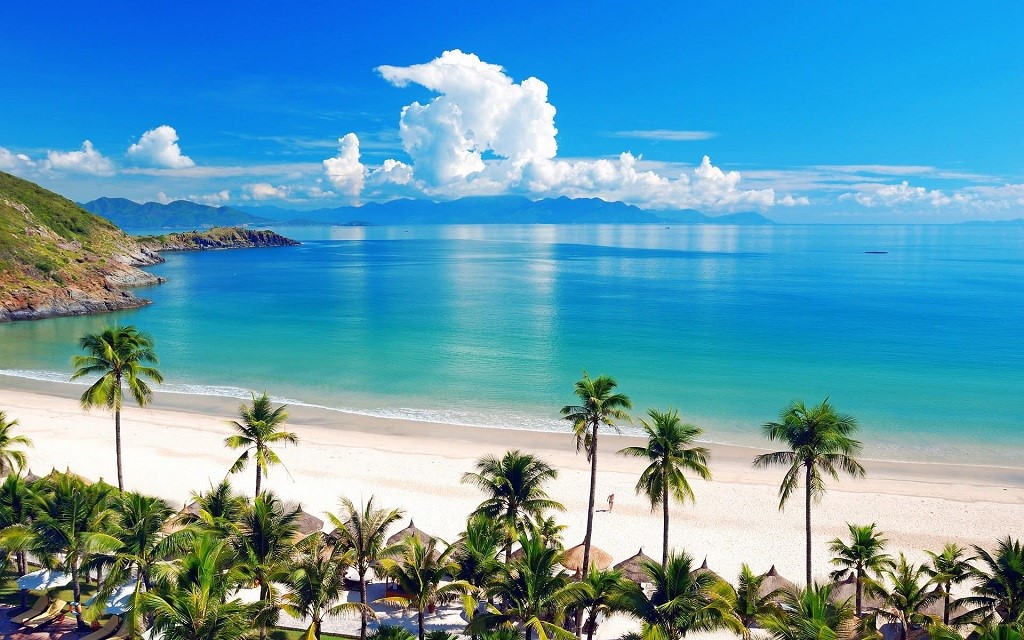
Hanoi appeals to travellers interested in history, architecture, street food and northern culture. Ho Chi Minh City offers a more energetic urban experience, with shopping, nightlife, museums and easy access to the Mekong Delta. Da Nang combines a modern city atmosphere with beaches, while nearby Hoi An is known for heritage streets, traditional architecture and a slower pace.
Phu Quoc is popular among travellers looking for an island holiday, while Ha Long Bay and Ninh Binh attract visitors who want dramatic scenery. Northern mountain destinations may appeal to Australians interested in hiking, cooler weather and local cultural experiences.
Another reason Australians choose Vietnam is the flexibility it offers. Budget travellers can stay in hostels, eat at local restaurants and use shared transport. Mid-range travellers can enjoy comfortable hotels, organised tours and domestic flights. Luxury travellers can choose premium resorts, private transfers, tailored excursions and high-end dining.
Vietnam also suits different kinds of holidays. Couples may prefer boutique hotels, coastal stays and food experiences. Families may prioritise resorts, spacious rooms and simple travel routes. Solo travellers can build flexible itineraries, while groups can combine cities, beaches and cultural attractions.
The most successful Vietnam holiday is not necessarily the one that includes the most destinations. Travellers often enjoy the country more when they focus on a manageable route and allow enough time to experience each location properly.
Planning a Vietnam holiday from Australia becomes much easier when the trip is divided into clear stages. The first step is deciding when to travel and which regions to visit. Vietnam has different weather patterns across the north, centre and south, so the best travel period depends on your itinerary rather than one single national season.
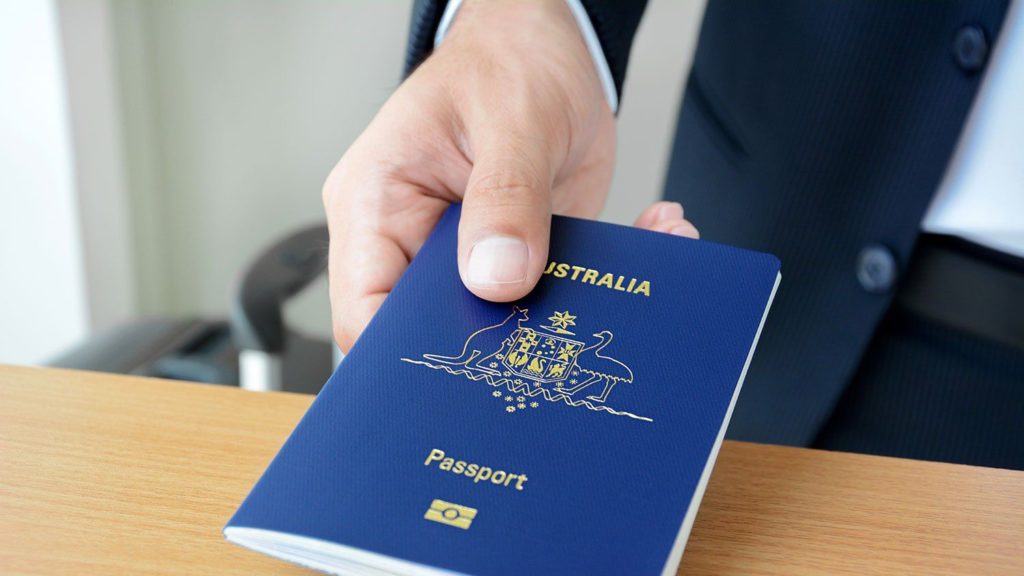
The next step is checking travel documents. Australian travellers should confirm that their passport is valid, in good condition and matches the information used in any visa application. They should also arrange the correct visa or entry permission before departure.
Flights and accommodation should be booked with the full itinerary in mind. A cheap flight is not always the best choice if it includes a long transit, limited baggage or an inconvenient arrival time. Similarly, a low-cost hotel may not offer good value if it is far from the places you intend to visit.
A practical Vietnam travel checklist for Australians should include:
Travellers should keep both printed and digital copies of important documents. These may include the passport information page, visa, flight confirmations, accommodation bookings and travel insurance policy.
Digital backups should be stored securely and remain accessible if a phone is lost or damaged. However, travellers should not rely entirely on electronic copies. A printed visa and printed booking details can be useful during check-in, immigration or an unexpected connectivity problem.
It is also important to review all travel information several days before departure. Check that your name appears correctly on flight bookings, confirm airport terminals, verify your hotel address and make sure the entry information on your visa matches your passport and travel plan.
Completing these checks early gives you time to correct a problem before it affects the journey.
There is no single best month for every Australian visiting Vietnam because the country has several regional climate patterns. Weather in Hanoi may be very different from conditions in Da Nang or Ho Chi Minh City at the same time of year.
Northern Vietnam has more noticeable seasonal changes. Hanoi, Ha Long Bay, Ninh Binh and northern mountain destinations may experience cooler conditions during parts of the year and hot, humid weather during summer. Travellers visiting highland areas should prepare for lower temperatures than those found in coastal or southern destinations.
Central Vietnam includes destinations such as Da Nang, Hoi An and Hue. This region may have warm beach conditions during some periods and heavier rain during others. Travellers planning a coastal holiday should check local weather patterns before finalising travel dates.
Southern Vietnam, including Ho Chi Minh City, Phu Quoc and much of the Mekong Delta, generally has a clearer wet and dry season pattern. Rainy-season travel can still be enjoyable, but visitors should expect occasional heavy showers and plan indoor alternatives.
Australian school holidays can affect both flight demand and accommodation availability. Families travelling during these periods may benefit from booking earlier, especially when they need family rooms, connecting rooms or specific flight schedules.
Peak travel periods can also influence how crowded major attractions feel. Travellers who prefer quieter conditions may choose shoulder-season dates, while those prioritising stable weather may accept higher demand.
The best approach is to decide which parts of Vietnam you want to visit first. Then research the expected weather in those specific regions for your intended dates.
Australians should also think about the type of holiday they want. Beach travellers may prioritise dry coastal conditions. Food and city travellers may be more flexible. Hikers and outdoor travellers should pay closer attention to rain, heat and visibility.
When planning a multi-region itinerary, remember that the weather may change significantly between destinations. Packing light layers and basic rain protection can help travellers adapt more easily.
A valid passport is the foundation of every Vietnam holiday from Australia. Before booking restrictive flights or applying for a visa, travellers should check the passport’s expiry date, physical condition and available pages.
The passport used for the visa application must be the same passport presented at airline check-in and Vietnamese immigration. All personal details should match exactly.
Applicants should check:
Small mistakes can create serious problems. A missing letter, incorrect passport number or wrong date may delay processing or create difficulties during check-in.
Travellers should also prepare a clear digital image of the passport information page. The full page should be visible, the text should be easy to read and there should be no glare, shadows or objects covering important details.
If a traveller plans to replace or renew a passport before the trip, it is usually better to complete that process before applying for the visa. A visa is linked to the specific passport information submitted during the application.
Australians should keep a printed photocopy of the passport in a separate location from the original. A secure digital backup may also be useful if the passport is lost or damaged.
Copies do not replace the original passport, but they may help when contacting local authorities, an insurer or an Australian diplomatic mission.
Travellers should also record emergency contact details before departure. These may include their travel insurer, accommodation provider, airline and relevant Australian consular services.
Careful document preparation is one of the simplest ways to reduce stress before travelling from Australia to Vietnam.
Australian passport holders should arrange a suitable visa or other valid entry permission before travelling to Vietnam. For most holidaymakers, the Vietnam eVisa is the easiest and most convenient option because the application can be completed online before departure.
Some travel providers may use the term “visa on arrival” for a service involving prior document or approval arrangements. However, Australian travellers should not assume they can simply arrive at a Vietnamese airport without preparing anything in advance and obtain a tourist visa immediately at the immigration counter.
Any arrival-based visa arrangement should be confirmed and organised before the traveller boards the flight. For most Australians planning a standard holiday, the eVisa is a clearer and more practical choice.
A Vietnam eVisa can allow a stay of up to 90 days and may be issued for either single entry or multiple entries.
A single-entry eVisa is suitable for Australians who intend to enter Vietnam once and remain in the country until departure.
A multiple-entry eVisa may be more appropriate for travellers who plan to leave Vietnam during the trip and then return. For example, an Australian visitor may spend time in Vietnam, travel to another Southeast Asian country and later re-enter Vietnam before flying home.
Travellers should choose the visa type that matches their actual itinerary rather than selecting an option without considering future border crossings.
Before applying, Australians should confirm:
Applicants generally need to prepare:
Australians who want assistance with the application can use:
The applicant enters the required information, uploads the passport image and portrait photograph, reviews the details and completes the online submission.
VietnamImmigration.com can help travellers understand the application process, review submitted information and identify common document problems before the application is processed.
This support may be useful for Australians who are unsure about photograph requirements, the correct entry point, the difference between single and multiple entry or the information shown on their passport.
Professional checking can also reduce the risk of avoidable errors. Many visa problems are caused not by complicated eligibility issues, but by simple mistakes such as an incorrect passport number, incomplete name, unsuitable photograph or inconsistent travel date.
Processing commonly takes several working days, but travellers should not treat the usual timeframe as a guaranteed final deadline.
Applications may take longer because of:
Australians should apply well before the planned flight. Waiting until the last few days creates unnecessary pressure and may limit the available solutions if something needs to be corrected.
After the visa has been approved, the result is normally provided electronically. Travellers should download it, print a clear copy and check every detail carefully.
The approved visa should be compared with the passport to confirm:
If any important information is incorrect, the traveller should seek assistance before departure rather than assuming airline staff or immigration officers will ignore the mistake.
The printed eVisa should be kept with the passport during the journey. A digital backup should also be stored securely.
By applying early, checking every detail and choosing the correct visa type, Australians can make this part of their Vietnam holiday preparation much simpler.

Booking flights is one of the biggest expenses when planning a Vietnam holiday from Australia, so taking a little extra time to compare options can make a noticeable difference to your overall travel budget. Australian travellers can choose between direct and connecting flights from cities such as Sydney, Melbourne, Brisbane, Perth and Adelaide, with services arriving in Hanoi, Ho Chi Minh City and Da Nang.
Before purchasing tickets, decide where your holiday will begin and end. Many travellers arrive in one Vietnamese city and depart from another, allowing them to travel through the country without retracing their route. For example, you may arrive in Hanoi, travel south through Central Vietnam and fly home from Ho Chi Minh City. This type of itinerary often saves both time and domestic travel costs.
When comparing flights, avoid looking only at the ticket price. Consider the total journey time, baggage allowance, transit duration and arrival schedule. A slightly more expensive flight with a shorter connection or included checked baggage may provide much better overall value than the cheapest available fare.
If your itinerary includes several Vietnamese destinations, domestic flights can be an efficient way to travel between regions. Vietnam has an extensive domestic flight network, making it easy to travel from north to south without spending long hours on trains or buses.
Travellers should also leave enough time between connecting flights, especially if separate airlines or separate tickets are involved. Delays can happen, and a comfortable connection reduces unnecessary stress.
Finally, keep digital and printed copies of your flight confirmations. Having these available at check-in and immigration can make your journey much smoother.
Vietnam offers accommodation for almost every type of traveller, from budget hostels to luxury beachfront resorts. Choosing the right location is often more important than choosing the cheapest room.
In Hanoi, many Australian visitors stay in or around the Old Quarter because it provides convenient access to restaurants, attractions, shopping and local culture. Travellers who prefer quieter surroundings may choose accommodation near West Lake or other residential districts.
Ho Chi Minh City offers a wide range of hotels in District 1, where many tourist attractions, restaurants and nightlife venues are located. Families and travellers seeking a quieter environment may consider neighbouring districts while remaining close to the city centre.
Beach lovers often choose Da Nang because it combines modern hotels with easy beach access. Those looking for a more traditional atmosphere frequently stay in Hoi An, where boutique hotels and riverside accommodation provide a very different experience.
Phu Quoc has become increasingly popular among Australians seeking a relaxing island holiday. Accommodation ranges from affordable guesthouses to luxury resorts with private beaches.
When choosing accommodation, consider:
Reading recent guest reviews can provide useful insights into cleanliness, service and neighbourhood conditions. A hotel with slightly higher rates but consistently positive reviews often offers better value than the cheapest available option.
Travellers visiting multiple cities should also avoid changing hotels too frequently. Staying at least two or three nights in each destination allows more time to enjoy the area instead of repeatedly packing and checking in.
One reason Vietnam continues to attract Australian travellers is its excellent value for money. While your total budget will depend on your travel style, Vietnam offers options suitable for backpackers, mid-range travellers and luxury holidaymakers alike.
Accommodation, local food, transport and sightseeing are generally available across a wide range of price levels. Street food provides an authentic dining experience, while international restaurants and fine dining are available in major cities for those seeking something different.
Rather than focusing on spending as little as possible, travellers should prepare a realistic daily budget based on their preferred style of travel. Planning ahead helps reduce unnecessary spending and avoids surprises during the trip.
Typical travel expenses may include:
Australians should carry more than one payment method. Credit cards are accepted in many hotels, shopping centres and larger restaurants, but smaller businesses may prefer cash.
It is also wise to notify your bank before travelling internationally to reduce the chance of payment interruptions caused by overseas transactions.
Keeping a small emergency reserve separate from your everyday spending money is another sensible precaution. If your wallet is lost or a card becomes unavailable, you will still have access to funds when needed.
Planning your budget in advance allows you to enjoy your holiday without constantly worrying about unexpected expenses.
Packing for Vietnam depends largely on where you are travelling and what time of year you plan to visit. Since weather conditions vary between northern, central and southern Vietnam, travellers visiting several regions should prepare for changing temperatures and occasional rainfall.
Lightweight clothing is suitable for much of the country, particularly during warmer months. Comfortable walking shoes are highly recommended because many attractions involve exploring streets, markets, temples and historical sites on foot.
A practical packing checklist may include:
Travellers visiting mountain regions may also need a light jacket or warmer clothing, particularly during cooler evenings.
Laundry services are widely available throughout Vietnam, so there is usually no need to overpack. Packing lighter makes domestic travel much easier, especially when moving between multiple destinations.
Before leaving Australia, check airline baggage allowances carefully to avoid unnecessary charges at the airport.
Smartphone apps can make travelling in Vietnam significantly easier. Installing useful apps before departure allows you to access maps, transport and communication even during your first hours after arrival.
Navigation apps help travellers find hotels, restaurants and attractions without relying entirely on printed maps. Offline map functions can also be useful when internet access is limited.
Ride-hailing applications are widely used in Vietnam and provide a convenient alternative to negotiating taxi fares. Many visitors find them particularly useful for airport transfers and travelling within major cities.
Translation apps can help Australians communicate more easily in restaurants, shops and local markets. While many tourism businesses speak English, translation tools are useful in less tourist-oriented areas.
Other useful applications include:
Travellers should also consider purchasing an eSIM or local SIM card soon after arrival to ensure reliable mobile internet throughout the trip.
Keeping important travel documents stored securely in cloud storage can provide additional peace of mind if your phone or luggage is lost.
After landing in Vietnam, travellers will proceed through immigration before collecting baggage and passing customs. Preparing your documents in advance helps the arrival process run more smoothly.
Keep your passport, printed eVisa and any other required travel documents easily accessible before leaving the aircraft. Searching through luggage while standing in the immigration queue can create unnecessary delays.
Immigration officers may verify that your passport matches your approved visa and travel information. For this reason, travellers should always review these details before departure to ensure everything is accurate.
Once immigration has been completed, collect your checked baggage and continue through customs before entering the public arrivals area.
If you have arranged an airport transfer, confirm the meeting point in advance. Travellers using ride-hailing services should follow airport guidance regarding designated pickup areas.
After arriving at your accommodation, take a few moments to organise your documents, connect to local mobile service if necessary and confirm the next stage of your itinerary.
Starting your holiday with good preparation allows you to focus less on logistics and more on enjoying everything Vietnam has to offer.

Good preparation before leaving Australia is important, but making smart decisions after arriving in Vietnam can make your holiday even more enjoyable. Understanding a few local customs, transportation options and everyday travel practices will help you feel more confident throughout your trip.
One of the first things many Australians notice is that Vietnam has a faster pace of daily life, particularly in major cities such as Hanoi and Ho Chi Minh City. Traffic may appear busy, markets can be crowded and popular attractions often welcome large numbers of visitors. Rather than rushing, allow yourself time to adjust to the local rhythm and observe how residents navigate daily life.
When visiting temples, pagodas and other religious sites, dress respectfully by wearing clothing that covers your shoulders and knees where appropriate. Speaking quietly and respecting local customs demonstrates consideration for both worshippers and other visitors.
Vietnam is generally considered a welcoming destination for international tourists. Nevertheless, the same common-sense precautions that apply in many countries should also be followed here. Keep valuables secure, remain aware of your surroundings in busy tourist areas and use reputable transportation providers whenever possible.
Food is one of the highlights of travelling in Vietnam. From fresh pho and banh mi to regional seafood dishes and local coffee, Australian visitors will have countless opportunities to experience authentic Vietnamese cuisine. If you enjoy street food, choose vendors with good hygiene practices and meals that are freshly prepared.
Staying hydrated is especially important during warmer months. Carrying a reusable water bottle and taking regular breaks while sightseeing can make long days much more comfortable.
Learning a few simple Vietnamese phrases such as greetings and expressions of thanks is another easy way to create positive interactions with local people. Although English is commonly spoken in many tourism businesses, small efforts to communicate in Vietnamese are often appreciated.
Responsible travel also helps protect the destinations you visit. Respect local communities, dispose of rubbish properly, avoid damaging natural environments and support local businesses whenever possible.
Finally, remain flexible. Weather conditions, transportation schedules and travel plans sometimes change. Allowing a little extra time in your itinerary makes it easier to adapt without unnecessary stress.
With thoughtful preparation and an open mind, Australians can enjoy a rewarding holiday that combines culture, nature, relaxation and unforgettable experiences across Vietnam.
Planning a Vietnam holiday from Australia involves much more than booking flights and packing a suitcase. By preparing your passport, arranging the correct visa, selecting the right travel season, organising accommodation, budgeting carefully and understanding what to expect after arrival, you can reduce unnecessary stress and enjoy your holiday with greater confidence.
The visa is an essential part of the journey, but it is only one element of a well-planned trip. Taking the time to prepare each stage of your travel plans allows you to spend less time solving problems and more time experiencing Vietnam’s vibrant cities, spectacular landscapes, welcoming people and world-famous cuisine.
If you would like assistance with your Vietnam Holiday Visa for Australians Online, VietnamImmigration.com offers application support to help travellers prepare their documents, review their information and better understand each step of the visa process before departure. Applying early and checking your application carefully can help make your journey to Vietnam smoother from the very beginning.
You’ve just booked your flights to Vietnam and started planning an unforgettable journey through Hanoi, Hoi An, and Ho Chi Minh City. But before you get too excited, there’s one …
Imagine receiving an invitation to an important business meeting in Vietnam just a few days before departure. Your flights are already booked, your hotel is confirmed, and your schedule is …
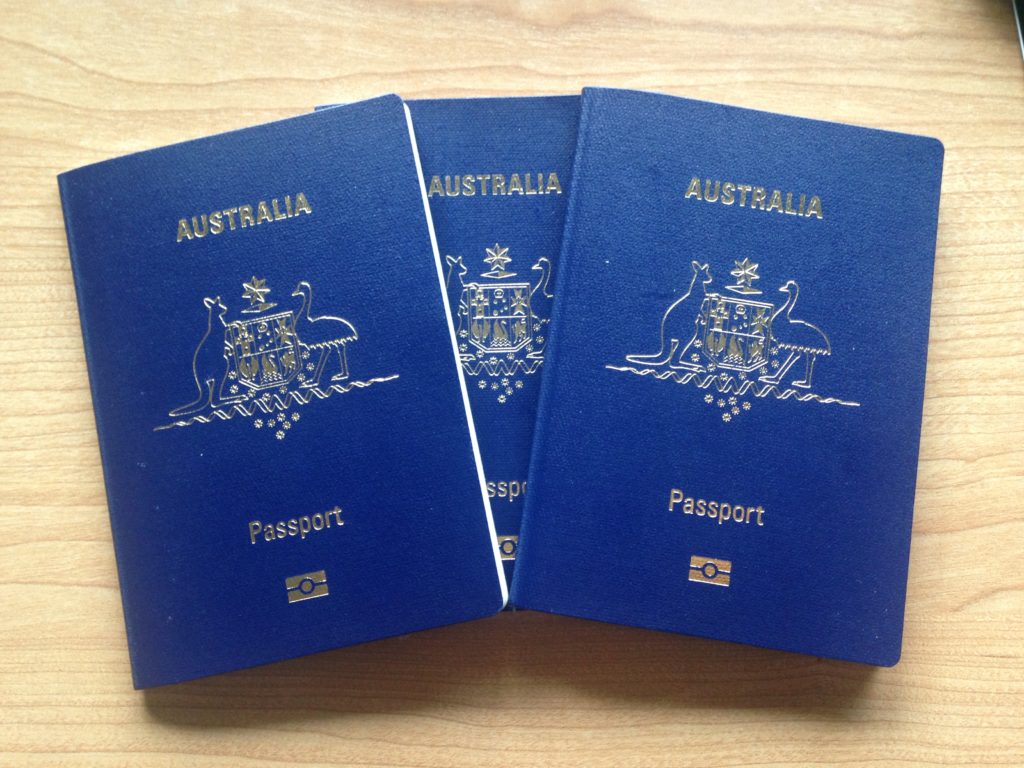
Your trip to Vietnam is just around the corner. Flights are booked, hotels are confirmed, and your itinerary is finally coming together. Then suddenly, you realize your Vietnam E-Visa hasn’t …
You’re only a few hours away from boarding your flight from Australia to Vietnam when you suddenly realize you haven’t applied for your Vietnam visa. It’s a situation that catches …
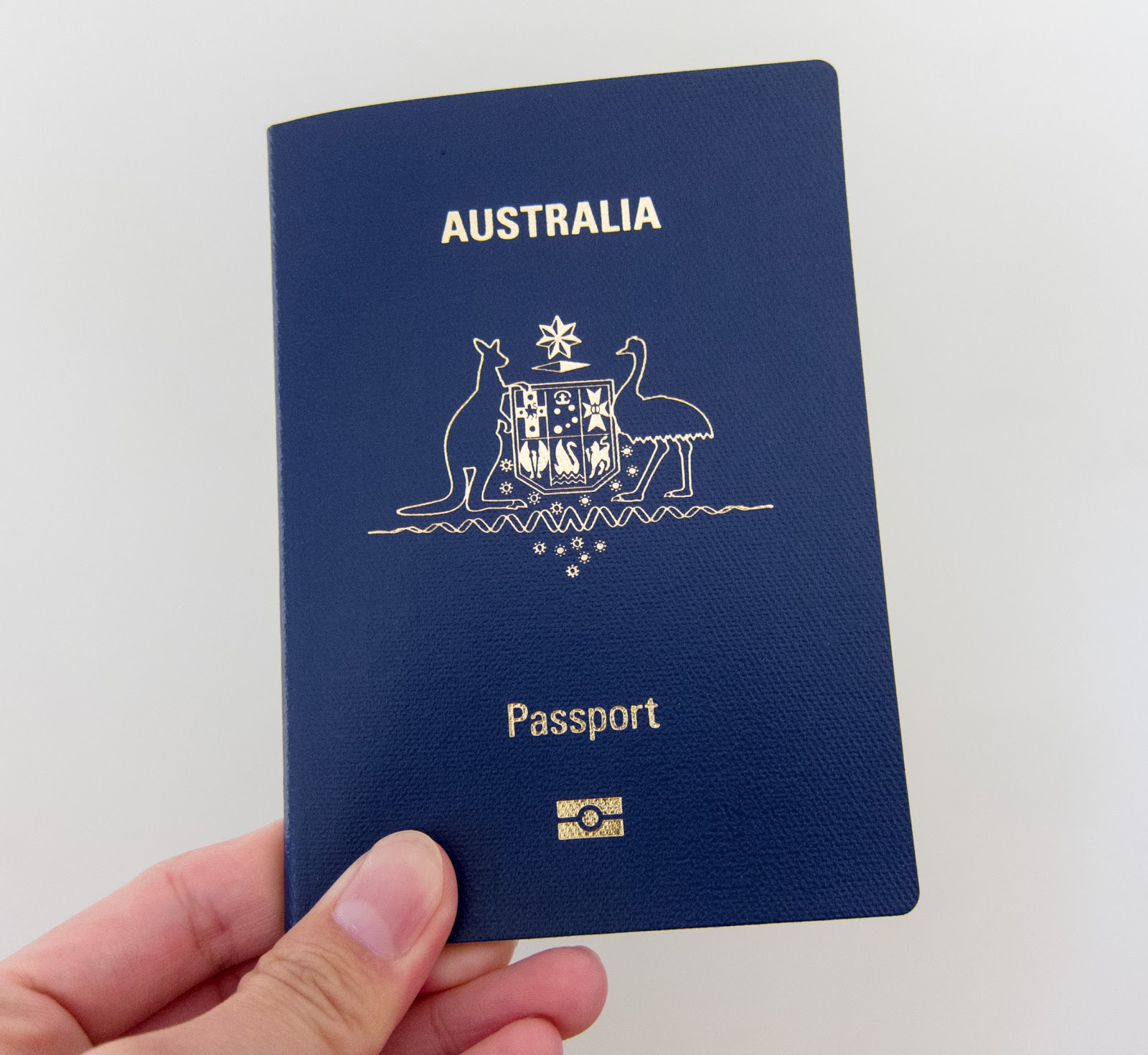
Imagine arriving at the airport in Sydney or Melbourne, excited for your upcoming trip to Vietnam. Your bags are packed, your hotel reservations are confirmed, and you’re already thinking about …
Your bags are packed. Your flights to Ho Chi Minh City are booked. You’re set to take off tomorrow. Then it hits you — you haven’t secured your Vietnam visa. …
Planning a getaway from Australia to Vietnam’s scenic city of Danang? If you’re looking for a simple way to obtain your visa without visiting a consulate, the Visa on Arrival …
You’re at the airport check-in counter. The airline staff asks for your Vietnam visa — and your heart sinks. You forgot to apply. Sounds like a nightmare? Don’t worry — …
Thinking about heading to Vietnam but not sure how to sort your visa? You’re not alone. Every year, thousands of Aussies plan their holidays or business trips to Vietnam, only …