Your departure date is getting closer, yet your Vietnam e-visa application still hasn’t been approved. Your flights from Toronto, Vancouver, Calgary, or Montreal are booked, your accommodation is confirmed, and …

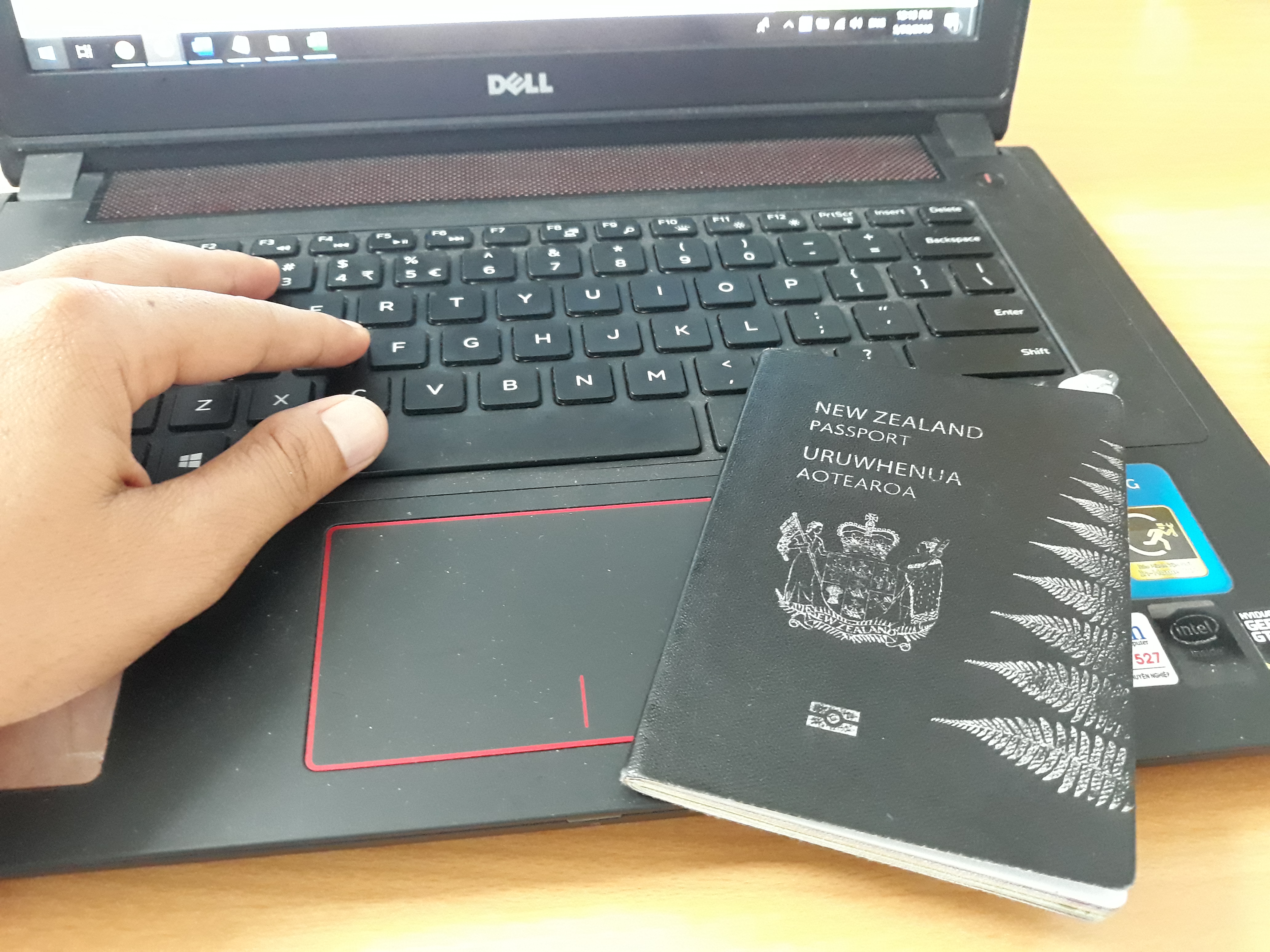
Your flight from New Zealand is approaching, but your Vietnam e-visa application is still showing no final result. The airfare has been paid, accommodation is confirmed, and your itinerary is ready—yet the one document that could determine whether you are allowed to board remains unavailable. For many New Zealand travellers, this is when an exciting trip begins to feel uncertain.
Fortunately, a delayed e-visa does not always mean you must immediately cancel or postpone your journey. Depending on your circumstances, entry route, departure schedule, and the regulations in effect at the time, you may still be able to explore another authorised visa arrangement before leaving New Zealand. This guide explains why Vietnam e-visas can take longer than expected, whether New Zealand citizens can consider Visa on Arrival while an e-visa remains pending, and why some travellers prepare it as a backup when time is running out.
Vietnam’s online visa system makes it possible for New Zealand passport holders to complete an application without visiting an embassy. However, an online process is not necessarily an instant one. Every application still needs to be assessed, and a seemingly minor issue may prevent it from moving through the system as quickly as expected.
One of the most common causes of delay is inaccurate personal information. The applicant’s full name, passport number, nationality, date of birth, and passport expiry date must match the passport precisely. A misplaced letter, missing middle name, incorrect number, or inconsistent date can lead to further review. This is particularly important for New Zealand travellers whose passports include several given names, hyphens, or names that are displayed differently across bookings and official records.
Uploaded documents can also affect processing. A passport image that is blurred, cropped, shadowed, overexposed, or partially covered may not be accepted easily. The same applies to a portrait photo that does not clearly show the applicant’s face or does not meet the required format. Even when the system accepts the upload initially, the application may take longer if the documents need closer examination.
Travel details are another frequent source of difficulty. Applicants may select the wrong arrival airport, enter an incorrect intended entry date, or submit information that no longer matches their updated itinerary. For example, a traveller may originally plan to arrive in Ho Chi Minh City but later change to a flight landing in Hanoi. Because visa and entry information may be connected to the approved travel details, discrepancies should never be ignored.
Timing also matters. Processing is usually calculated according to working days in Vietnam rather than calendar days in New Zealand. Weekends, Vietnamese public holidays, seasonal travel peaks, and unusually high application volumes can all extend the waiting period. The time difference between New Zealand and Vietnam can also create confusion, especially when an applicant submits documents late in the day and assumes processing has already begun.
Some travellers respond to a delay by submitting another application immediately. However, duplicate applications can create additional complications, particularly when the details are not identical. Instead of improving the chances of faster approval, multiple submissions may make it harder to determine which application should be followed.
The safest approach is to apply well before departure, review every field carefully, and monitor the application for requests to amend or resubmit information. Once the e-visa is issued, New Zealand travellers should check it against the passport and flight details before travelling. Discovering an error at Auckland, Christchurch, Wellington, or Queenstown Airport can be far more stressful than correcting it several days earlier.
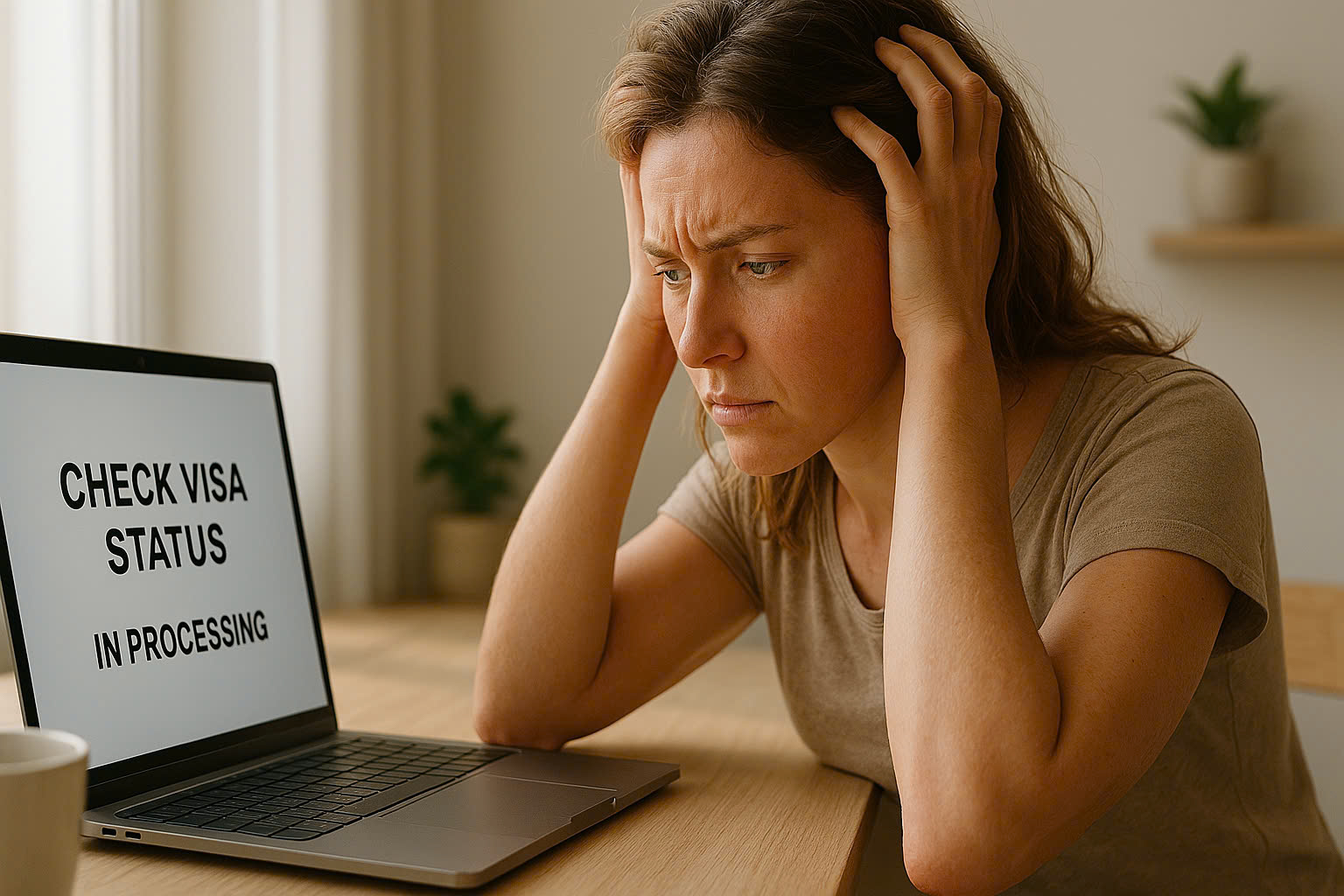
This is often the first question asked when departure is close and an e-visa has not yet been approved.
In some circumstances, New Zealand citizens may be able to explore a Vietnam Visa on Arrival arrangement while the original e-visa application is still being processed. However, eligibility depends on the traveller’s situation, the current immigration rules, the purpose of travel, the intended airport of arrival, and whether the required pre-arrival authorisation can be obtained.
The term “Visa on Arrival” can be misleading. It does not usually mean that a New Zealand traveller can board a flight without any visa documentation and simply request permission after landing. In most cases, the essential approval must be arranged before departure. The traveller then presents the relevant paperwork during airline check-in and completes the remaining visa formalities at an eligible international airport in Vietnam.
An e-visa payment receipt, application code, or pending-status screen is generally not the same as an approved entry document. Airlines may check immigration eligibility before issuing a boarding pass, and a passenger who cannot show acceptable travel authorisation may be denied boarding. This is why waiting until arrival in Vietnam to resolve the issue is not a realistic or safe strategy.
A pending e-visa application and a separately arranged Visa on Arrival option are generally treated as different processes. Applying for one does not necessarily mean the other is automatically cancelled. However, if both documents are later issued, the traveller should review them carefully and use the one that correctly matches the final itinerary, entry point, and travel dates.
The available time before departure is especially important. A traveller leaving New Zealand in five days may have more options than someone checking the application status on the morning of the flight. The earlier the delay is identified, the more time there is to review the application, correct any errors, and determine whether an alternative arrangement may be available.
The chosen entry point must also be considered. Visa on Arrival procedures are normally associated with approved international airports and may not be suitable for travellers entering Vietnam through a land border, cruise port, or another type of checkpoint. Before pursuing this option, New Zealand visitors should confirm that their actual route is compatible with the visa arrangement being considered.
When an e-visa remains pending and the departure date is getting close, professional visa support may help assess the passport, itinerary, current application status, and available processing options. Taking action before arriving at the airport is usually far safer than relying on an unverified assumption at check-in.
For most New Zealand visitors, an e-visa remains a practical choice when it is applied for correctly and approved in time. Visa on Arrival is usually considered not because it is automatically better, but because it may provide an alternative path when the original application has not been finalised and the trip cannot easily be changed.
Travel from New Zealand to Vietnam often involves significant planning and expense. Some passengers fly through Australia, Singapore, Kuala Lumpur, Bangkok, Hong Kong, Seoul, or another regional hub before reaching Vietnam. Missing the first international sector because of a visa problem can affect connecting flights, prepaid accommodation, airport transfers, tours, business appointments, family visits, and onward travel.
For this reason, some travellers prefer to investigate a backup before the situation becomes critical. A properly arranged alternative can provide greater certainty than repeatedly refreshing an application-status page without knowing whether approval will arrive before check-in closes.
Another reason travellers seek professional assistance is document verification. When time is limited, a second review of passport details, photographs, travel dates, and airport information can prevent small mistakes from becoming expensive disruptions. This can be especially valuable for first-time visitors to Vietnam or travellers who are unfamiliar with the differences between an e-visa, an approval document, and the airport procedure.
A backup plan should never be based on outdated travel blogs, old forum comments, or promises that every case can be approved immediately. Vietnam’s entry procedures can change, and the solution that worked for another passenger may not be suitable for a New Zealand citizen with a different itinerary or travel purpose.
The most effective strategy is therefore not to wait until the last possible moment. By reviewing the situation early, confirming the applicable requirements, and preparing accurate documentation, New Zealand travellers can reduce the risk of losing a carefully planned trip because one application has not been completed on time.
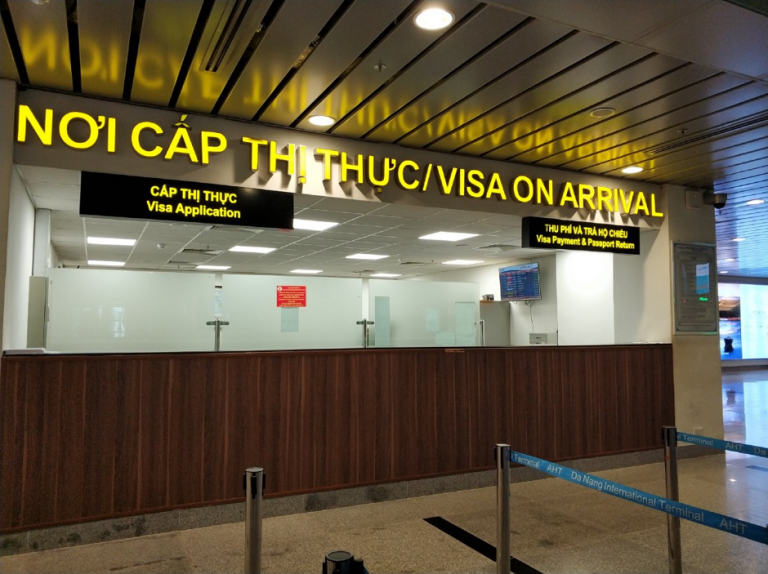
If you are eligible to use Vietnam’s Visa on Arrival (VOA) scheme, it’s important to understand that the process begins before you leave New Zealand, not after you land in Vietnam. This is one of the most common misconceptions among first-time visitors. Many travellers assume they can simply arrive at the airport in Vietnam, fill out a form, and receive a visa on the spot. In reality, the process involves advance preparation, and travelling without the necessary pre-arranged documentation can create significant problems before your journey even begins.
The first step is determining whether your travel circumstances meet the requirements for a Visa on Arrival. Factors such as your nationality, purpose of travel, intended arrival airport, departure timeline, and the latest Vietnamese immigration regulations all play a role. If you qualify, the next stage is obtaining the required pre-arrival approval documentation before boarding your flight.
Once the approval has been arranged, you should prepare all supporting documents well in advance. These may include your valid New Zealand passport, printed approval paperwork, passport-sized photographs if required, and any applicable visa stamping fee according to current regulations. Keeping both printed and digital copies of essential documents is highly recommended, particularly for long international journeys where unexpected situations can arise.
After arriving at an eligible international airport in Vietnam—such as Ho Chi Minh City, Hanoi, Da Nang, or Cam Ranh—you will normally proceed to the Visa on Arrival counter before immigration. Immigration officers will review your documents, complete the visa issuance process, and then direct you to the passport control checkpoint for final entry into Vietnam.
Although the overall procedure is relatively straightforward, success depends heavily on proper preparation. Incorrect passport information, missing documents, or arriving without the required pre-arranged approval can all delay or even prevent the visa from being issued. For New Zealand travellers, understanding these requirements before departure is far easier than trying to resolve unexpected issues after arriving at the airport.
When your departure date is fast approaching and your Vietnam e-visa still hasn’t been approved, it’s natural to feel anxious. However, making rushed decisions without understanding your available options can often create even bigger problems.
Your first step should be checking the current status of your e-visa application carefully. If Vietnamese immigration has requested additional documents, corrections, or a replacement photo, respond as quickly as possible. In many cases, applications are delayed because of incomplete or inaccurate information rather than being rejected outright.
If your application remains under review and your departure date is only days away, it may be time to explore alternative solutions instead of simply waiting. The right approach depends on your individual circumstances, including your travel purpose, arrival airport, flight schedule, and current immigration policies.
Many New Zealand travellers in urgent situations choose to seek assistance from an experienced Vietnam visa service. Professional visa specialists can review your passport details, examine your pending application, identify possible issues, and advise whether another suitable visa option may be available based on your specific case.
If you’re looking for urgent Vietnam visa assistance, you can learn more and submit your application here:
With more than 15 years of experience supporting international travellers, the service provides professional document verification before submission, 24/7 customer support, emergency processing options for eligible applications, and expedited services that may be completed in as little as 2–8 working hours in qualifying cases. For services covered under the applicable terms and conditions, a refund policy is also available if the visa cannot be delivered within the committed timeframe.
It is important to remember that no legitimate visa agency can guarantee approval in every situation. The final decision always rests with the Vietnamese immigration authorities. Choosing an experienced provider that focuses on accuracy, transparency, and realistic guidance is far more valuable than relying on unrealistic promises of “guaranteed approval” or “instant visas.”

Many travel disruptions happen not because Vietnam’s visa process is overly complicated, but because travellers overlook small details that later become significant.
One of the biggest mistakes is assuming that submitting an e-visa application automatically gives permission to board a flight. Unfortunately, this isn’t the case. Until your visa or other recognised entry authorisation has actually been approved, your application receipt alone generally isn’t enough for airline check-in.
Another common error is waiting until the final day or two before departure to begin looking for alternatives. By that stage, available options may become much more limited, leaving very little time to correct application errors or arrange another solution.
Some travellers also submit multiple e-visa applications in the hope that one of them will be processed faster. However, duplicate applications containing different information can complicate the review process rather than speed it up. Inconsistent travel dates, passport details, or personal information may create unnecessary confusion.
Many applicants also underestimate the importance of reviewing every document carefully. A small typo in your passport number, an incorrect arrival date, a missing middle name, or selecting the wrong entry airport may all lead to avoidable delays or complications during your journey.
Another mistake is relying entirely on outdated online advice. Immigration regulations evolve over time, and information shared in travel forums or social media discussions several years ago may no longer reflect the current procedures. Whenever possible, verify information through reliable sources or seek advice from experienced visa professionals before making important travel decisions.
Finally, avoid assuming that another traveller’s experience will automatically apply to your own. Every application is different, and the most appropriate solution depends on your individual travel plans, documentation, and the regulations in force when you travel.
Before leaving for the airport, take a few extra minutes to confirm that everything is ready.
International travel is often smoother when potential problems are addressed before they become emergencies. A careful review of your documents before leaving New Zealand can save valuable time, reduce unnecessary stress, and help ensure your journey to Vietnam begins as planned.
Generally, no.
A Vietnam e-visa application that is still under review does not give you permission to enter the country or board your flight. Most airlines are required to verify that passengers have valid travel documentation before departure. If your e-visa has not yet been approved, an application confirmation email or payment receipt is usually not considered sufficient evidence of entry authorisation.
In certain situations, yes.
Depending on your travel plans and the immigration regulations in effect at the time, some New Zealand citizens may be eligible to arrange a Vietnam Visa on Arrival while their e-visa application is still being processed. However, Visa on Arrival is not a service that can simply be requested after landing. The required approval documentation generally needs to be arranged before you depart for Vietnam.
Not necessarily.
The e-visa application and the Visa on Arrival process are usually handled separately. Applying for one does not automatically cancel the other. If your e-visa is approved after you have already arranged another authorised visa option, you should carefully review both documents and ensure you use the one that best matches your confirmed travel itinerary and entry requirements.
Processing times depend on several factors, including your individual circumstances, the visa option you choose, and the assessment carried out by the Vietnamese immigration authorities.
For eligible urgent applications, professional visa support services may be able to assist with processing in as little as 2–8 working hours. However, no reputable provider can guarantee approval in every case, as all visa decisions remain subject to official immigration approval.
If your departure date is approaching and you need experienced guidance, you can submit your application through:
The service has more than 15 years of experience assisting international travellers with Vietnam visa applications. It offers document verification before submission, emergency processing for eligible cases, responsive 24/7 customer support, and a refund policy for qualifying services if the visa cannot be delivered within the committed processing timeframe.
Waiting for a Vietnam e-visa can be frustrating, particularly when your departure date is drawing closer and your travel plans have already been finalised. Fortunately, a pending application does not always mean your journey has to be cancelled. Understanding your options early gives you more time to resolve potential issues, avoid unnecessary stress, and choose the most appropriate visa solution for your circumstances.
For New Zealand travellers, the best approach is always to prepare ahead. Carefully review your application, monitor its progress, and act promptly if additional information is requested. If time becomes limited, seeking professional advice may help you identify alternative options that comply with Vietnam’s current immigration requirements.
If you’re running out of time before your flight and need reliable assistance with your Vietnam visa, visit:
With expert guidance, careful document review, and support throughout the application process, you can travel with greater confidence and focus on enjoying everything Vietnam has to offer.
Your departure date is getting closer, yet your Vietnam e-visa application still hasn’t been approved. Your flights from Toronto, Vancouver, Calgary, or Montreal are booked, your accommodation is confirmed, and …
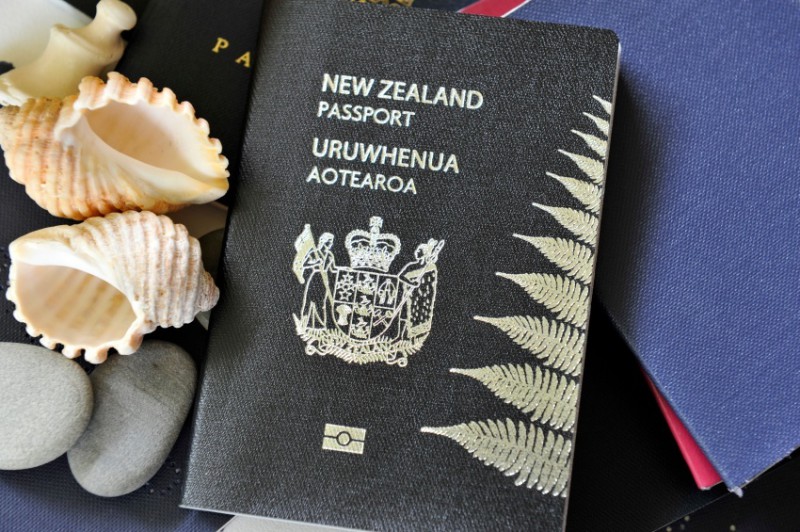
You’ve sorted your flights, lined up your travel plans, and you’re all set for Vietnam. Maybe you’ve been picturing yourself wandering through Hanoi’s Old Quarter or relaxing on a beach …
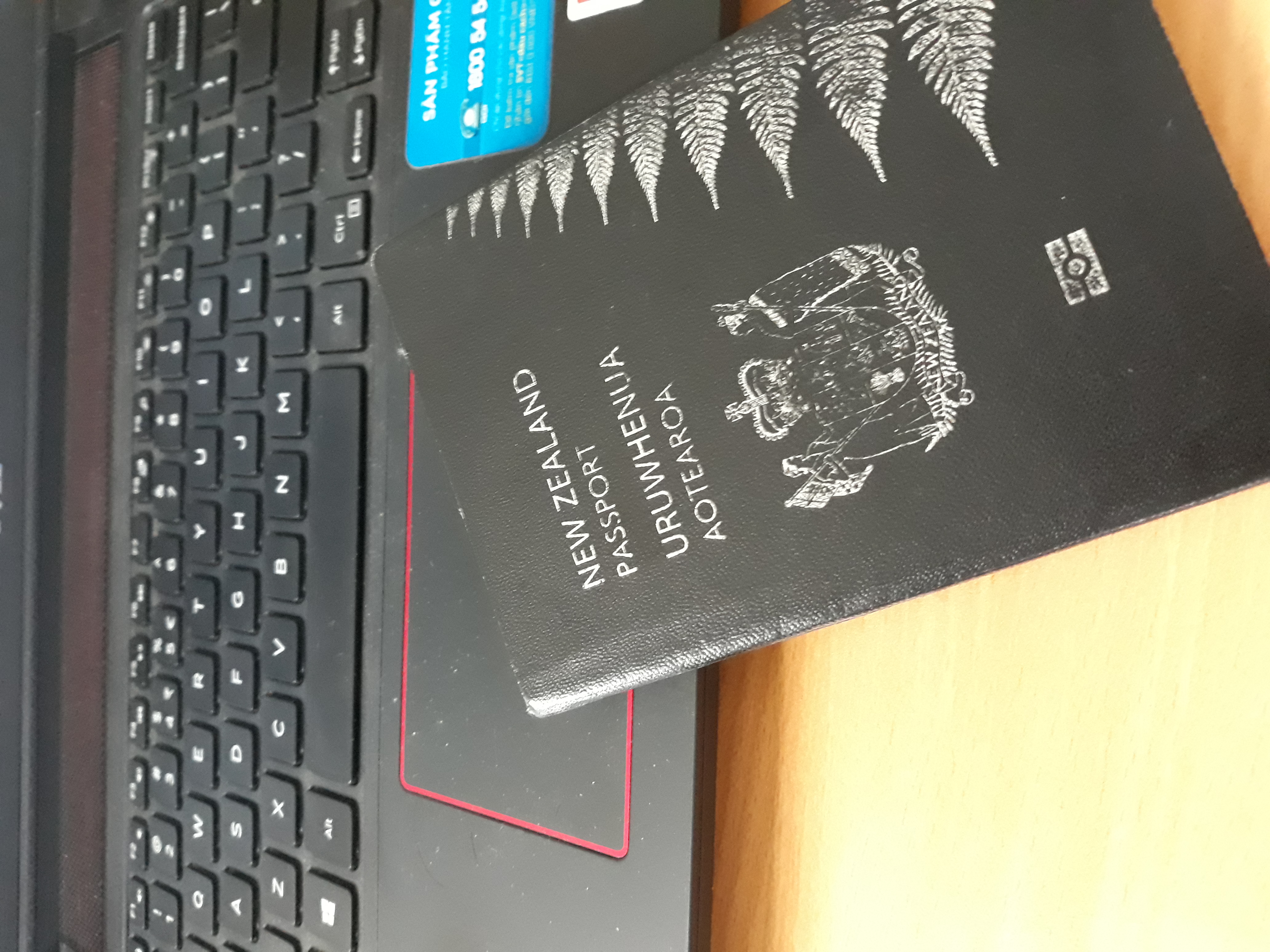
If you’re a New Zealand traveller planning a trip to Ho Chi Minh City, sorting out your Vietnam visa might feel a bit confusing at first. With several visa options …
If you’re a New Zealander with Vietnam on your travel radar — whether it’s for a beach holiday in Da Nang, a cultural journey through Hanoi, or a food-fuelled adventure …
“When your Vietnam E-visa is delayed, the worst part isn’t the wait — it’s the uncertainty.”You may not be flying tomorrow, but every day without an update makes you uneasy. …
Searching for the fastest way to get a Vietnam visa in just 24 hours? You’re not alone. Many travelers face last-minute surprises and urgent schedules. In this updated guide, we’ll …
For many travellers from New Zealand planning a trip to Vietnam in 2026, the biggest challenge often comes before the plane even takes off—figuring out which visa information is actually …
For American travelers, visiting Vietnam may be an interesting and enriching experience. However, obtaining a visa is one of the most typical problems that visitors confront, especially when arranging a …
You don’t have time to read through every line of visa regulations? Need to be in Vietnam within a day or two for an urgent business meeting? Don’t worry—you’re not …