Planning a trip to Vietnam? Before booking your flight or hotel, it’s important to understand how long your Vietnam electronic visa — commonly known as the eVisa — will remain …


Many travelers assume that the exit date on a Vietnam E-visa is just a minor detail, something that can be adjusted later or explained at the airport. Unfortunately, Vietnam Immigration does not see it that way. While the exit date may look like a simple line of information, mistakes related to dates are one of the most common reasons travelers face problems at check-in, at immigration counters, or even when leaving the country. Understanding what really matters — and what authorities actually check — can make the difference between a smooth journey and a costly mistake.
One of the most frequent errors travelers make is confusing the exit date with the entry date. Many people mistakenly believe the exit date simply reflects when they plan to leave, without realizing how it interacts with the visa’s overall validity. This misunderstanding often leads to travel plans that extend beyond what the visa legally allows.
Another common mistake is misinterpreting the visa validity period. Travelers may assume that the exit date they entered on the application defines how long they can stay, when in fact the approved visa clearly states a fixed validity range. The moment the visa is issued, that validity period becomes the only legally relevant timeframe.
A third frequent issue occurs when travelers enter an exit date based on an old or tentative flight booking. Travel plans change, flights are rebooked, but the visa information remains the same. This mismatch can later trigger red flags for airlines or immigration officers, even if the traveler believes the difference is insignificant.
Contrary to what many travelers think, immigration officers do not rely on intentions or explanations. They focus on what is printed on the visa itself. The key detail they examine is the official validity period, often shown under the “is good for” section of the E-visa.
Problems arise when a traveler’s actual stay goes beyond this validity period. In such cases, entry may be questioned, and exit procedures can become complicated. Even if the exit date entered in the application seems reasonable, it does not override the visa’s legal validity.
Airlines play a critical role in this process as well. They are authorized to deny check-in if a passenger’s return flight date exceeds the visa’s validity. Airlines are responsible for ensuring passengers meet entry and exit requirements, which is why they may refuse boarding long before immigration officers ever see your documents.
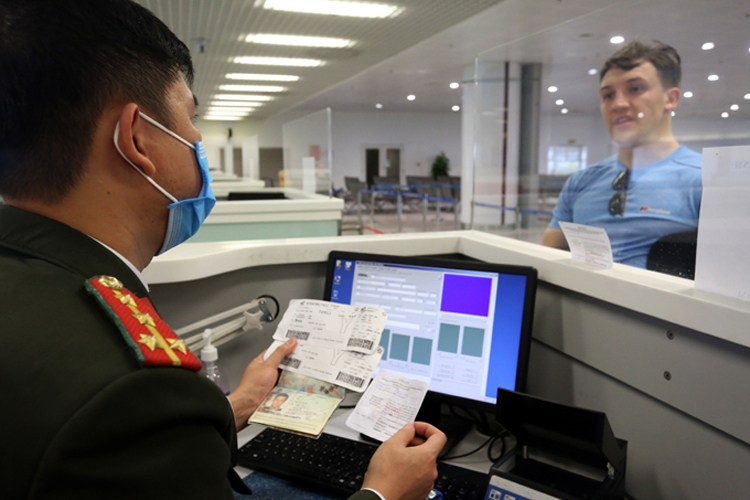
Some travelers decide to take the risk and “try their luck,” hoping the issue will be ignored or easily explained. In reality, this approach often creates far bigger problems. Being stopped at the airport can mean missed flights, non-refundable tickets, and expensive last-minute changes.
The financial impact can quickly escalate. Rebooking international flights, paying overstay fines, or arranging emergency visa solutions at the last minute often costs far more than addressing the issue properly in advance. What initially seems like a small detail can turn into a significant expense.
Beyond money, the stress and time lost are considerable. Airport delays, repeated document checks, and uncertainty about whether you will be allowed to travel can turn an exciting trip into a highly stressful experience. For many travelers, this risk is simply not worth taking.
When there is any risk that your actual exit date falls outside the visa’s validity period, visa experts consistently recommend one clear solution: apply for a new visa that fully covers your intended stay. This eliminates uncertainty and ensures full compliance with Vietnam Immigration rules.
For travelers with limited time, urgent processing options are available. These services allow visas to be reviewed and approved much faster than standard applications, providing peace of mind before departure.
This is why many travelers choose to work with VietnamImmigration.com, a professional service with extensive experience handling Vietnam visa issues. Their team understands how immigration authorities and airlines assess visa details, carefully reviews each case, and provides a clear checklist to ensure all information is accurate before submission. This professional approach significantly reduces risk and protects your travel plans.

Exit date mistakes are more common than most travelers realize, but the consequences can be serious if handled incorrectly. Relying on assumptions or hoping for flexibility at the airport is rarely a safe strategy.
The most reliable approach is to address potential issues early, follow expert guidance, and ensure your visa fully matches your travel itinerary. By doing so, you avoid unnecessary risks and travel with confidence, knowing your documents meet all immigration requirements.
Planning a trip to Vietnam? Before booking your flight or hotel, it’s important to understand how long your Vietnam electronic visa — commonly known as the eVisa — will remain …