Got your backpack ready and flights to Vietnam booked? If you’re travelling from Canada to Hanoi, there’s just one important detail you need to sort out before you jet off—your …

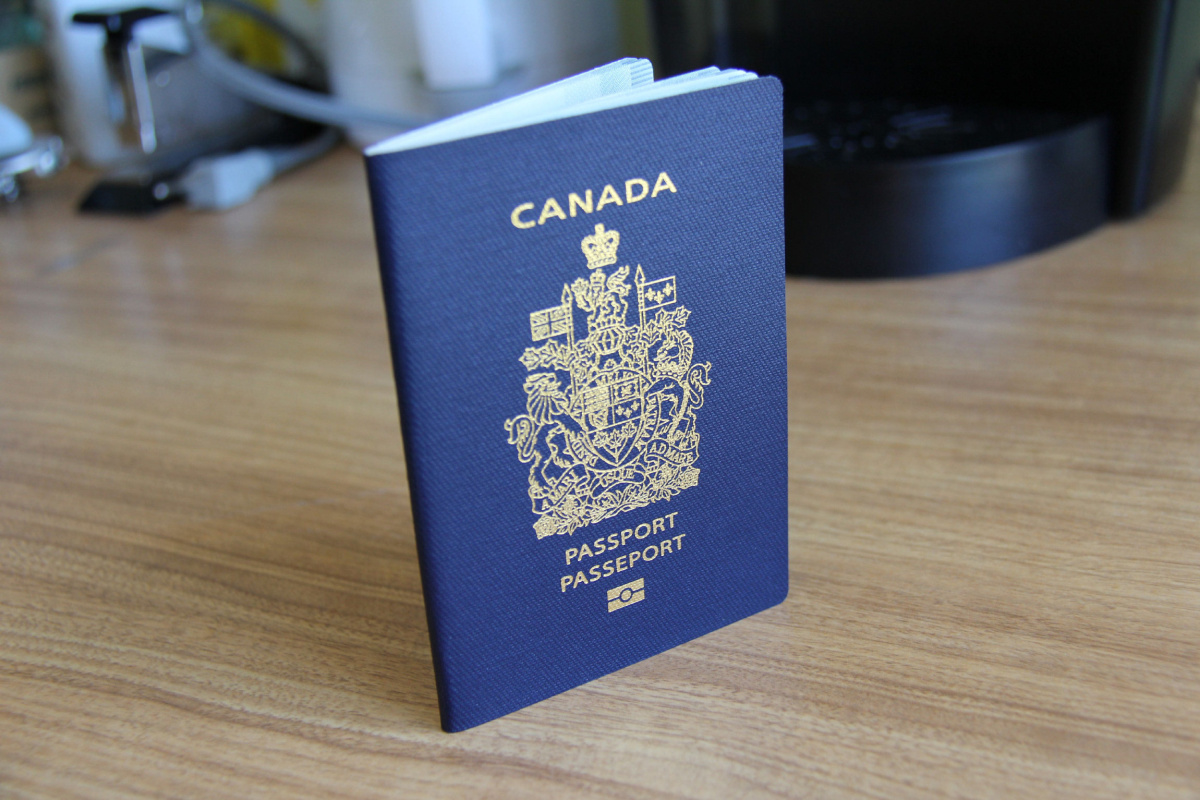
For many Canadians planning a trip to Vietnam, the preparation process feels well organised. Flights from Toronto, Vancouver, or Montreal are booked early, accommodation is confirmed, and time off work is carefully scheduled. Applying for a Vietnam e-visa is usually the final step. At first, everything appears straightforward. Then you check your application status and see it sitting on “Processing”. A few days pass, and uncertainty begins to set in. How long does a Vietnam e-visa actually take for Canadian citizens? Is this delay normal, or is there something wrong with the application? For most Canadian travellers, the biggest concern is not rejection but the lack of clear timelines. This article explains what Canadians can realistically expect, why approval times vary, and what practical options are available when waiting becomes stressful.
According to official information from Vietnam’s immigration authorities, the standard Vietnam e-visa processing time for Canadian citizens is generally between three and five business days. This estimate assumes that the application is complete, accurate, and submitted on a Vietnamese working day.
In practice, Canadian travellers often experience longer wait times. Vietnam operates in a different time zone, and applications are not reviewed on weekends or Vietnamese public holidays. An application submitted late in the week from Canada may not begin processing until the following Monday or later, depending on the calendar.
Based on real application experiences, most Canadians wait around five to seven business days for approval. During peak travel periods such as summer holidays, Christmas, or Lunar New Year, processing can extend to seven to ten business days or more. The official timeline should be treated as a guideline rather than a guaranteed turnaround.
It is common for Canadian travellers to feel uneasy when they hear others received their Vietnam e-visa quickly while their own application remains under review. These differences are usually related to internal processing factors rather than applicant errors.
One key factor is application volume. During busy travel seasons, immigration officers handle a high number of submissions, which can slow down individual cases. Even applications submitted on the same day may be reviewed at different speeds depending on internal workflow.
Document quality also affects processing time. Clear passport scans, compliant photos, and consistent personal details tend to move through checks more efficiently. While Canadian passport holders are generally considered low risk, some applications are still selected for manual review, which naturally adds time to the process.

Many delays experienced by Canadian applicants are caused by small but important details. Photo issues are among the most frequent. Incorrect background colour, shadows, glare, or poor image quality can all lead to additional verification.
Errors in passport information are another common cause. Missing middle names, spelling inconsistencies, or incorrect passport numbers often trigger further checks. Applying too close to Vietnamese public holidays or submitting an application only a few days before departure can also increase the likelihood of delays.
What makes this particularly frustrating for Canadians is the lack of feedback. The system rarely explains why an application is delayed, leaving the status unchanged and applicants unsure whether they should wait or take further action.
Canadians applying on their own are advised to submit their Vietnam e-visa application at least ten to fourteen days before departure. This buffer provides flexibility in case processing takes longer than expected.
Careful preparation is essential. Double-checking every detail, using photos that meet official requirements, and uploading high-quality passport scans can significantly reduce the risk of delays caused by technical issues.
However, many Canadian travellers have fixed schedules. International flights are costly, and approved vacation time is not always easy to change. Even with a perfectly prepared application, travellers are still dependent on standard government processing timelines.
When time becomes a serious concern, many Canadian travellers turn to professional fast-track services. VietnamImmigration.com has over fifteen years of experience supporting international travellers with Vietnam visa applications, including urgent cases for Canadians.
Each application is carefully reviewed by experienced specialists before submission to minimise errors that commonly cause delays. With expedited processing options, approvals can be issued in as little as two to eight hours, depending on urgency.
For Canadian travellers, additional benefits include simplified documentation, twenty-four-hour customer support, and clear approval or refund policies. When departure dates are fixed, this approach offers reassurance that standard processing cannot always provide.

For Canadian passport holders, the time it takes for a Vietnam e-visa to move from “Processing” to “Granted” depends on several real-world factors, not just official estimates. Some applications are approved quickly, while others face delays due to volume, timing, or minor details.
By understanding how the system works and knowing when a faster, more reliable option is appropriate, Canadian travellers can avoid unnecessary stress and start their Vietnam journey with greater confidence.
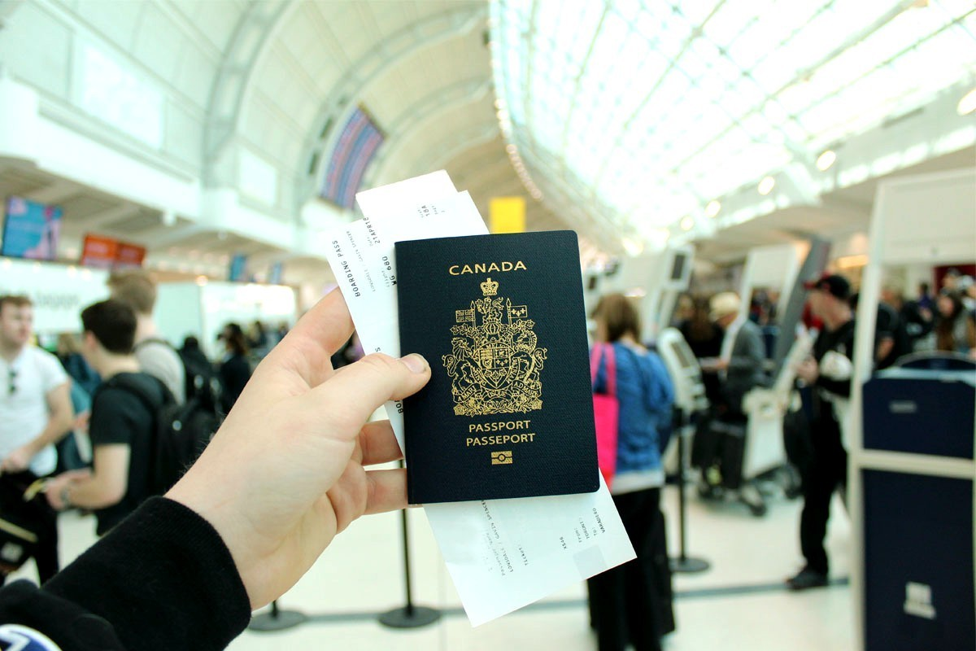
Got your backpack ready and flights to Vietnam booked? If you’re travelling from Canada to Hanoi, there’s just one important detail you need to sort out before you jet off—your …
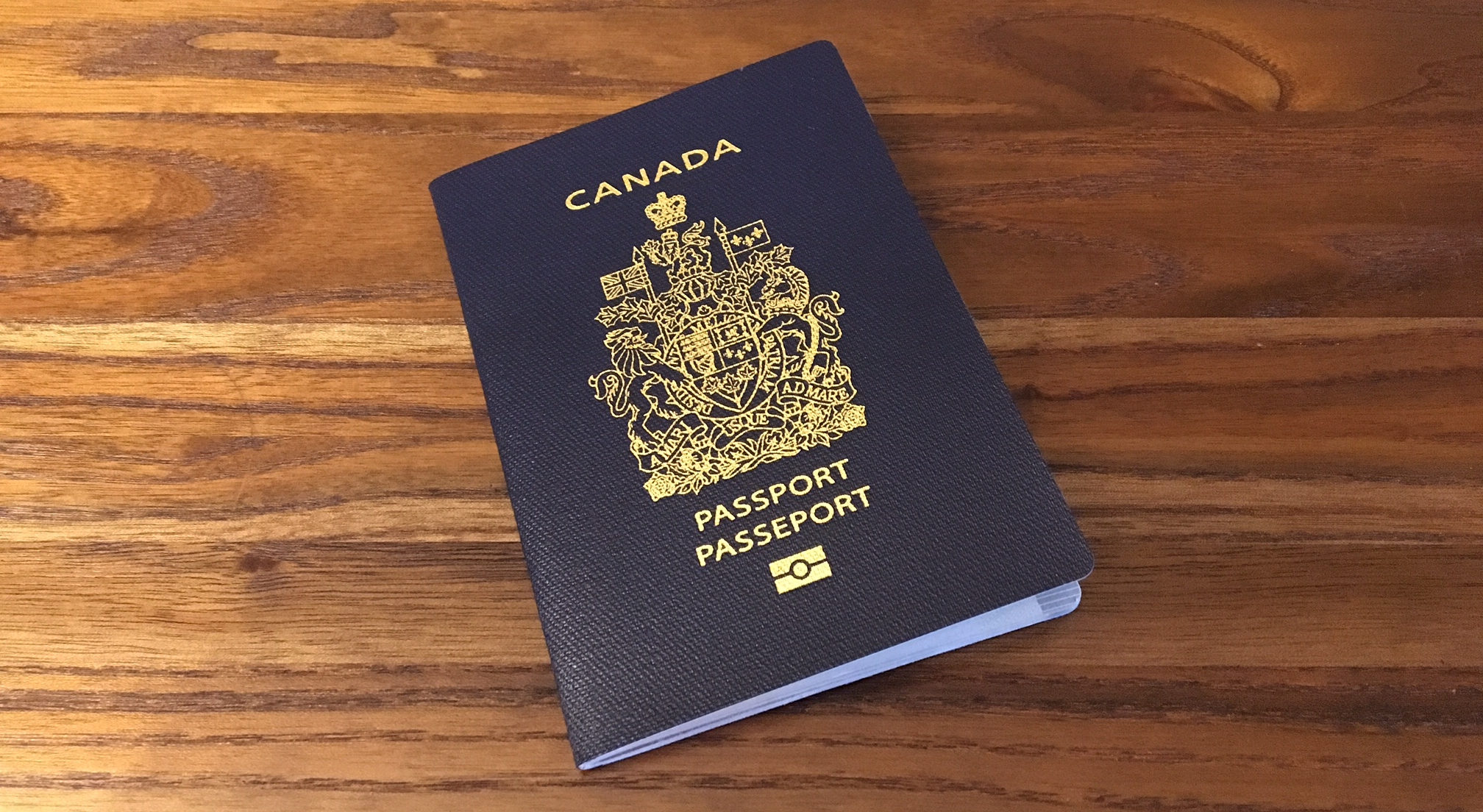
Vietnam has long been a favourite getaway for Canadians seeking a rich cultural experience without breaking the bank. From the ancient alleys of Hanoi to the tropical islands of the …