Applying for a Vietnam E-visa may look straightforward at first. The application form is short, the requirements appear simple, and many travelers believe they can complete it in just a few minutes. However, every year, thousands of Vietnam E-visa applications are delayed or rejected for one surprisingly small but critical reason: entering the name in the wrong order. “First name,” “last name,” “given name,” and “surname” may sound familiar, but when they do not exactly match what is printed on your passport, the consequences can be serious. Travelers have missed flights, lost hotel bookings, or even been denied boarding simply because the name on their visa did not match their passport. If you want to avoid that stress, this guide will walk you through the correct order of names for a Vietnam E-visa application, explain the most common mistakes, and help you submit your application with confidence.
When applying for a Vietnam E-visa, there is one rule that overrides everything else:
👉 The name on your E-visa must match your passport exactly.
Vietnamese immigration authorities do not adjust names to fit cultural habits or personal preferences. The system compares what you enter on the application form directly with the information on your passport.
That means:
• No guessing which part of your name is “more important”
• No changing the order to match how people usually call you
• No removing middle names because they seem unnecessary
If even one word of your name is entered incorrectly or placed in the wrong field, your application may be rejected or approved with incorrect details. Either situation can prevent you from entering Vietnam.
Many applicants assume that “first name” means the name they commonly use in daily life. For visa purposes, that assumption causes problems. Vietnam’s E-visa system follows passport-based naming, not conversational naming.
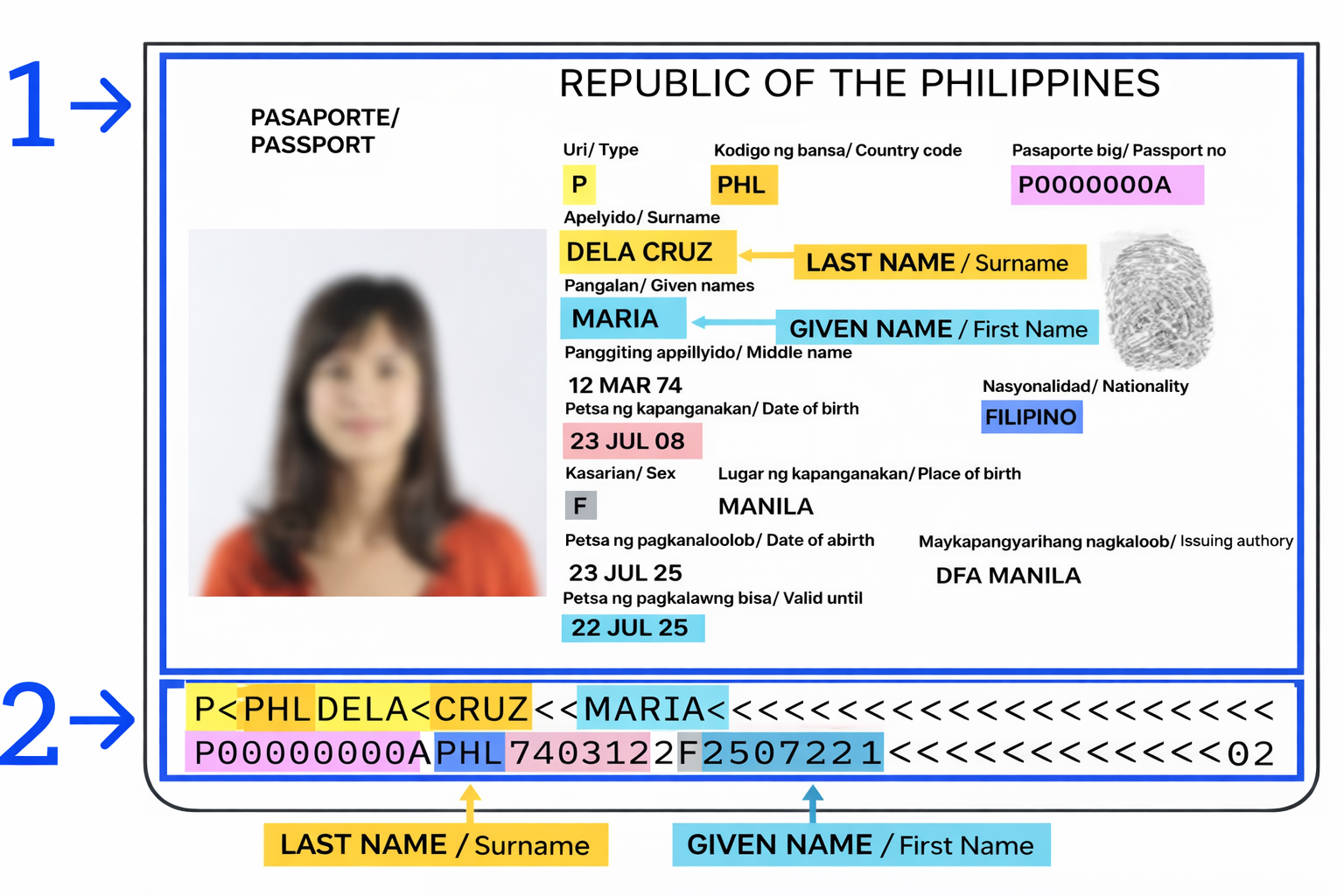
On the Vietnam E-visa application form, you will usually see two name fields:
Last name (Surname / Family name)
First name (Given name)
Here is the rule you must always follow:
👉 Last name = the family name shown in your passport
👉 First name = all remaining parts of your name, exactly as they appear in the passport
This is where many travelers make mistakes.
“First name” does not mean one single word.
It means all given names, including middle names.
Passport name: RAHUL KUMAR SHARMA
Last name: SHARMA
First name: RAHUL KUMAR
Passport name: JOHN MICHAEL SMITH
Last name: SMITH
First name: JOHN MICHAEL
You must enter the names exactly as printed, without abbreviations, missing words, or added spaces.
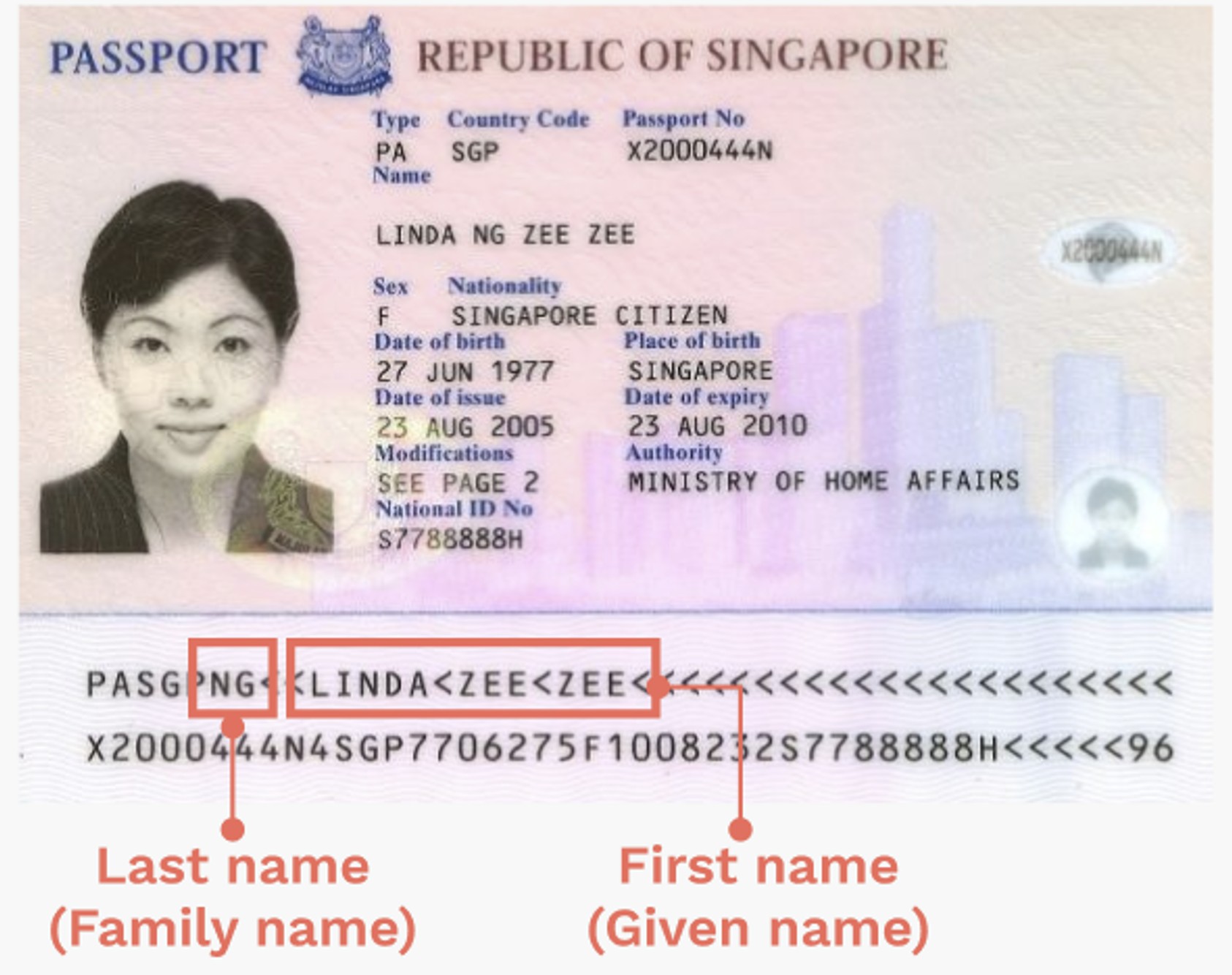
Vietnam welcomes travelers from many different countries, so immigration officers rely strictly on passport data rather than cultural naming traditions. Below are clear, real-world examples to help you avoid confusion.
Many travelers think middle names are optional. They are not.
Passport name: EMILY ROSE WILSON
Last name: WILSON
First name: EMILY ROSE
❌ Common mistake: Entering only “EMILY”
✅ Correct approach: Copy EMILY ROSE exactly as shown
If your passport contains more than one given name, all of them must be included in the First name field.
Passport name: MOHAMMED ABDUL RAHMAN KHAN
Last name: KHAN
First name: MOHAMMED ABDUL RAHMAN
❌ Common mistake: Removing one given name or changing the order
✅ Correct approach: Include all given names in the correct order
In some countries, two surnames together form the family name.
Passport name: CARLOS ALBERTO LOPEZ GARCIA
Last name: LOPEZ GARCIA
First name: CARLOS ALBERTO
❌ Common mistake: Entering only “GARCIA” as the last name
✅ Correct approach: Enter both surnames exactly as printed
Some passports clearly separate these fields. In that case, always follow the passport labels.
Passport shows:
Surname: NGUYEN
Given name: THI MINH ANH
👉 Vietnam E-visa application must be:
Last name: NGUYEN
First name: THI MINH ANH
Important reminder:
If it is printed on the passport’s name page, it must appear on the E-visa in the correct field.
Despite clear rules, these mistakes happen every day:
• Reversing first name and last name
• Entering only one word in the first name field
• Omitting middle names
• Using nicknames instead of passport names
• Adding or removing spaces compared to the passport
Even if a visa is approved with incorrect information, airlines may refuse boarding, and immigration officers may deny entry on arrival.
Vietnam’s E-visa system does not allow corrections after submission. Even a small name order error cannot be edited online.
If you discover the mistake, you have only two realistic options:
• Apply for a new Vietnam E-visa with the correct information
• Use a professional visa service to review and resubmit your application
Traveling with an incorrectly issued E-visa is risky, even if the status says “approved.”
Many travelers therefore choose VietnamImmigration.com, where applications are checked carefully against the passport before submission. This helps ensure:
• Correct name order
• All given names and surnames entered properly
• Fast processing, including urgent cases (2–8 hours)
• 24/7 expert support and a transparent refund policy

The safest approach is to treat your passport as the only source of truth. When filling out the application, copy your name letter by letter, including spaces, exactly as shown on the passport’s biographical page.
If your name is long, includes multiple parts, or follows a naming format unfamiliar to you, take extra care. One small error can result in rejection, delays, or denied boarding.
Using VietnamImmigration.com adds an extra layer of professional verification, helping you avoid unnecessary stress and significantly increasing your chances of smooth entry into Vietnam.
Entering your name correctly is one of the most important steps in the Vietnam E-visa application process. By following your passport exactly, understanding how name fields work, and learning from real passport-based examples, you can avoid the most common and costly mistakes.
A few careful minutes now can save you from major travel problems later — and help ensure your journey to Vietnam starts smoothly and confidently.