You carefully completed your Vietnam e-visa application, uploaded what you believed were correct photos, paid the fee, and waited with confidence — only to receive a cold rejection notice stating …


Vietnam Immigration doesn’t reject visas randomly. When an e-visa application is denied with the reason “photos don’t match,” it usually means your submission failed one or more specific identity verification checks — not that you were unlucky or selected by chance. Unfortunately, most applicants never learn what those checks actually are. The system provides no explanation, no correction option, and no feedback beyond a brief rejection notice. As a result, many travelers reapply without understanding what went wrong, only to face the same outcome again. To avoid that cycle, it’s essential to understand how Vietnam Immigration truly evaluates e-visa photos and why even small inconsistencies can lead to rejection.
Vietnam’s e-visa screening process relies on both automated systems and manual review. The first stage typically involves digital comparison technology that analyzes facial data from your passport photo and your uploaded portrait photo. This is not a simple visual check — it focuses on biometric markers such as facial structure, proportions, and key reference points.
If the system detects inconsistencies, the application is flagged for further review by an immigration officer. At this stage, even subtle differences can raise concerns. The officer is not trying to interpret intent or personal circumstances; their task is strictly to confirm that both images clearly represent the same individual beyond reasonable doubt.
Because the process is designed to prevent identity fraud, it favors caution. When uncertainty exists, rejection is often the default outcome. This is why applicants who believe their photos “look fine” are sometimes surprised by a denial.
One of the most common misunderstandings among applicants is assuming that photos only need to be recognizable. In reality, Vietnam Immigration expects the passport photo and portrait photo to appear as close to identical as possible in structure and presentation.
Facial angle plays a crucial role. A passport photo is taken straight-on, with the head centered and level. If the portrait photo is slightly tilted, angled, or taken from above or below eye level, facial proportions may appear different during comparison.
Facial ratio is another key factor. Differences in distance from the camera, lens distortion (especially from phone cameras), or improper cropping can alter how wide or long the face appears relative to the passport image.
Neutral expression is equally important. A relaxed mouth, closed lips, and open eyes are expected. Smiling, raised eyebrows, or tension in facial muscles can change the contours of the face enough to trigger a mismatch during verification.
These details may seem minor, but together they form the basis of Immigration’s identity assessment.
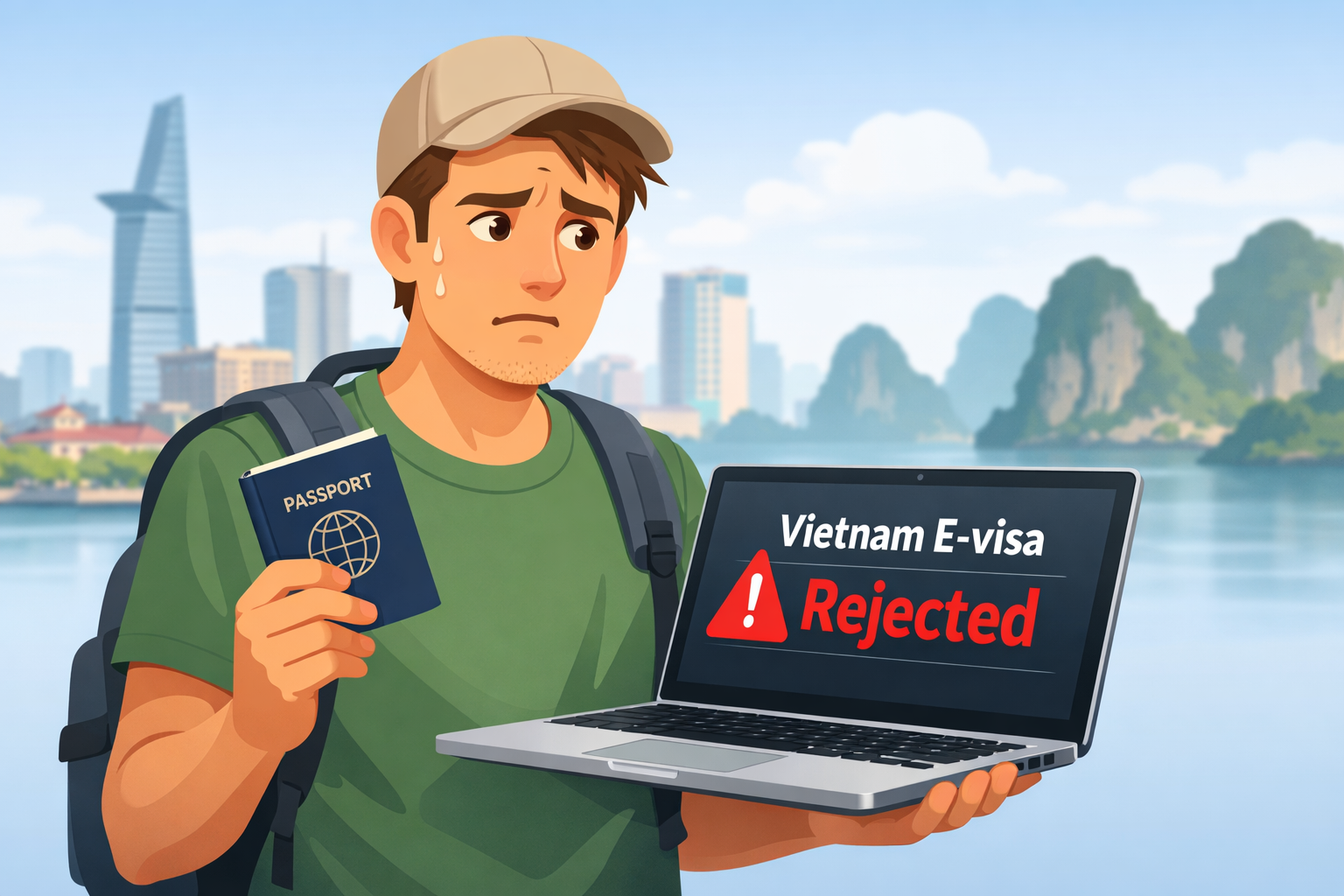
After a rejection, many applicants choose to reapply on their own, believing that simply uploading “better photos” will solve the issue. In practice, this approach often fails for one critical reason: the original cause of rejection remains unknown.
Vietnam Immigration does not disclose which photo failed, what inconsistency was detected, or whether the issue was technical or visual. Without that insight, applicants are forced to guess. They may fix one element while overlooking another, or unknowingly repeat the same mistake.
Additionally, there is no independent verification step in a DIY application. No one reviews the images for biometric consistency, lighting accuracy, or background compliance before submission. Each attempt becomes another experiment — with additional fees, lost time, and increasing travel risk.
Professional visa services approach photo verification very differently. Instead of assuming compliance, they apply multi-step checks before submission.
At VietnamImmigration.com, every passport scan and portrait photo is reviewed by experienced visa specialists who understand how Immigration evaluates identity images in real-world cases. Photos are assessed for facial similarity, proportions, angle, lighting, background consistency, and technical quality — all before the application enters the government system.
When issues are detected, they are corrected proactively. This may include advising on proper photo retakes, adjusting image specifications within accepted standards, or identifying hidden risks that applicants typically miss. The result is a significantly higher approval rate and far fewer repeat rejections.
With more than 15 years of experience in Vietnam visa services, fast processing options from 2 to 8 hours, simplified documentation, 24/7 support, and a 100% refund policy if a visa is not approved, this professional approach replaces uncertainty with confidence.
A Vietnam e-visa rejection caused by photo mismatch is often the result of small technical inconsistencies — but the consequences can be serious. Missed flights, lost fees, and unnecessary stress are common outcomes when the issue is not addressed correctly.
Understanding how Vietnam Immigration actually checks e-visa photos is the first step. Choosing the right solution to eliminate risk is the next. When it comes to identity verification, precision matters — and expert review can make the difference between repeated rejection and successful approval.
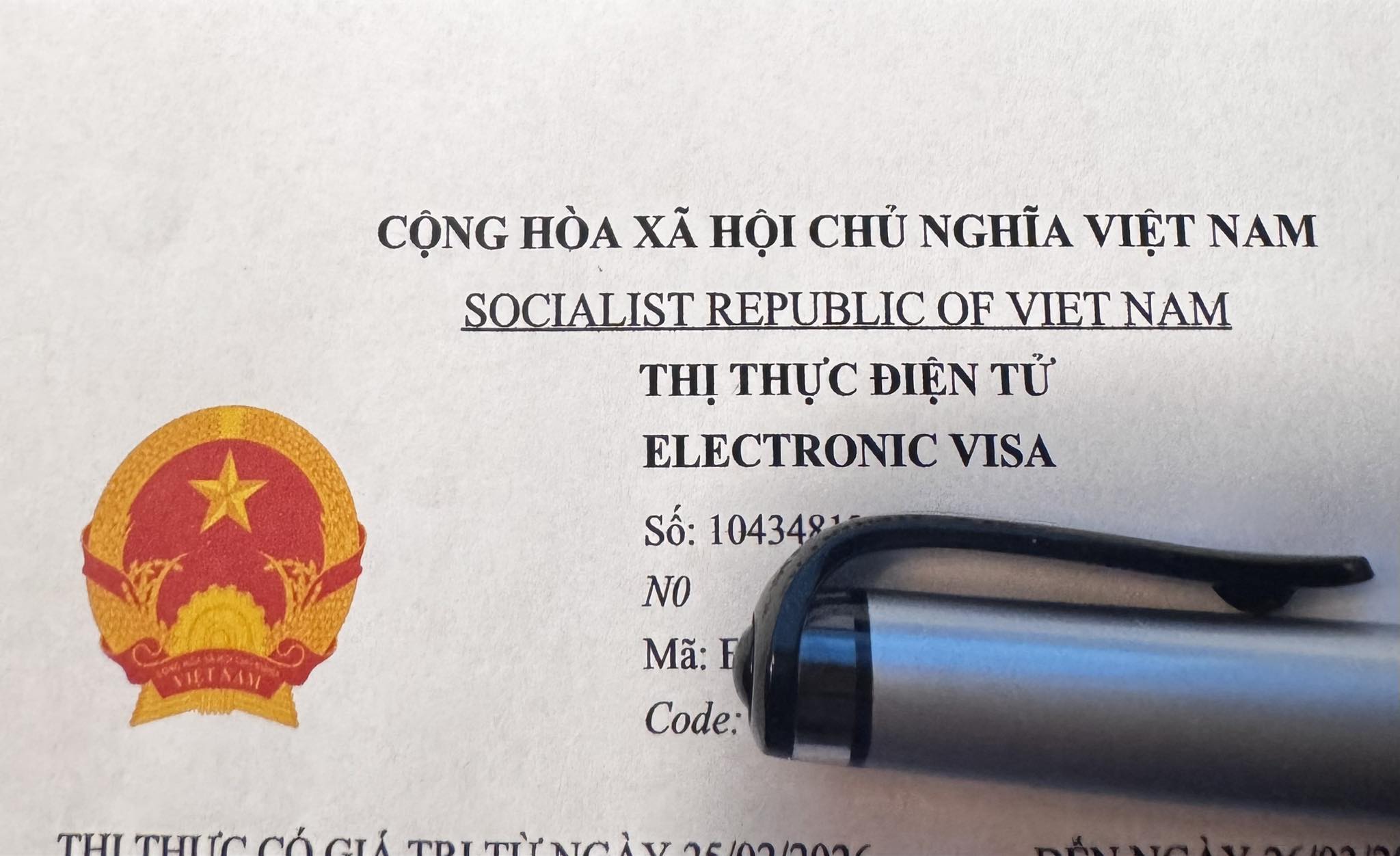
You carefully completed your Vietnam e-visa application, uploaded what you believed were correct photos, paid the fee, and waited with confidence — only to receive a cold rejection notice stating …
Your Vietnam vacation is planned—flights, hotels, and itineraries are set. The final, critical step is securing your E-visa. While the new 90-day E-visa appears simple, statistics show that minor application …
International travel often demands flexibility — but when plans change at the last minute, visa requirements can become a major obstacle. Whether you are a corporate executive summoned to Vietnam …