
Traveling to Vietnam has become increasingly accessible thanks to the Vietnam electronic visa system. However, many travelers still feel uncertain about whether their e-visa will be accepted at Hanoi Airport and how to apply correctly. Conflicting information online often adds to the confusion, especially for first-time visitors who want a smooth and stress-free arrival.
The reality is that entering Vietnam via Hanoi Airport with an electronic visa is straightforward, provided the application is completed accurately. Small details such as selecting the correct entry point, matching passport information, and choosing the appropriate visa type play a decisive role. This guide explains the full process clearly, helping you understand exactly how to obtain a Vietnam electronic visa that works seamlessly at Hanoi Airport.
Vietnam requires most foreign nationals to hold a valid visa before arrival, including those entering by air through Hanoi Airport. While visa policies may vary depending on nationality, the electronic visa has become one of the most widely used and accessible options for short-term travelers.
The Vietnam electronic visa is issued by immigration authorities and allows eligible travelers to enter the country without visiting an embassy or consulate. This makes it particularly attractive for those who value convenience and speed. Hanoi Airport is one of the international gateways officially authorized to accept travelers holding an electronic visa.
It is important to understand that airlines will check visa validity before boarding. Without a valid visa that matches your itinerary, you may not be allowed to fly. For this reason, securing the correct visa before departure is just as essential as booking flights and accommodation.
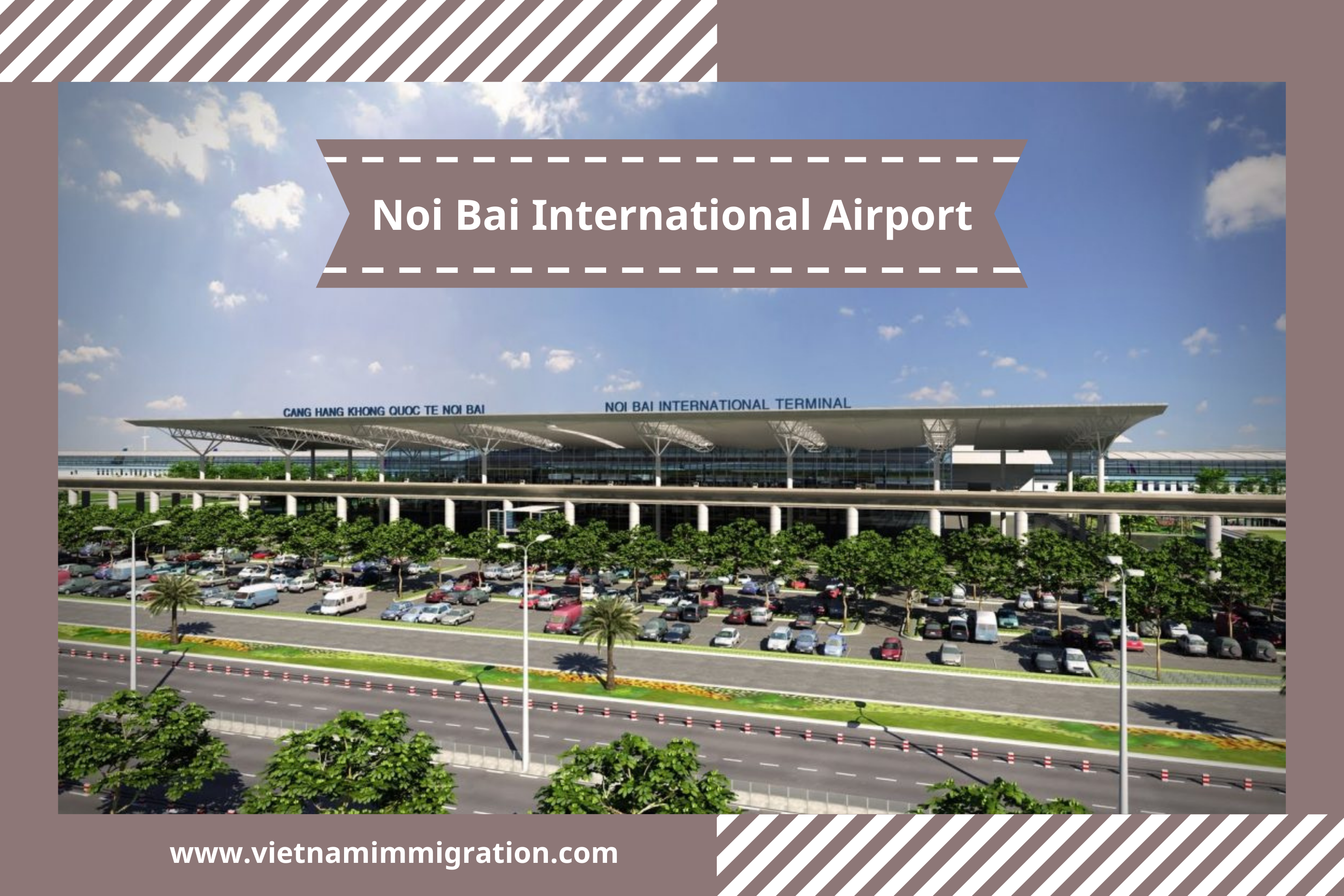
Yes, the Vietnam electronic visa is valid for entry at Noi Bai International Airport, which serves as the primary international airport for Hanoi and northern Vietnam. However, acceptance depends on the accuracy of the information shown on your visa.
When applying, the entry point must clearly indicate Hanoi or Hanoi Airport. Immigration officers and airline staff rely strictly on the printed details of the visa. If your electronic visa lists a different entry location, you may face issues even if the visa has been approved.
Another essential factor is the number of permitted entries. Travelers should choose between single-entry or multiple-entry visas based on their travel plans. Selecting the wrong option may limit travel flexibility or prevent re-entry during the visa validity period.
The first step is preparing the required documents. Applicants need a passport with at least six months of remaining validity, a clear digital passport photo, and a scanned copy of the passport information page. These documents must meet basic quality standards to avoid processing delays.
Next, complete the online electronic visa application form carefully. All personal details should match the passport exactly, including full name, passport number, and dates. When selecting the entry point, ensure that Hanoi Airport is chosen to align with your travel itinerary.
Before submitting the application, review all information thoroughly. Many visa issues result from simple typing errors that could have been avoided. Once payment is completed, the application enters processing, and applicants should wait for approval before making non-refundable travel arrangements.

Standard processing for the Vietnam electronic visa typically takes several working days. This option suits travelers who plan their trips in advance and have flexible timelines. During peak travel periods or public holidays, processing times may be slightly longer.
For travelers with limited time, expedited processing services are available. These options significantly reduce waiting time but require extra care during application, as errors are harder to correct when processing is rushed.
The cost of the electronic visa varies depending on the visa type and processing speed. While budget options may appear appealing, choosing a reliable application method can reduce the risk of delays, mistakes, or denied boarding.
One of the most frequent mistakes is selecting the wrong entry airport on the application form. Even with an approved visa, an incorrect entry point can lead to boarding refusal or immigration complications upon arrival.
Incorrect passport information is another common issue. Missing characters, incorrect numbers, or mismatched dates can invalidate an electronic visa. Immigration authorities apply strict checks, and even minor discrepancies may cause problems.
Applicants should also be cautious when using unofficial or poorly managed websites. Approval alone does not guarantee entry; accuracy and consistency of information are what determine whether a visa will be accepted at Hanoi Airport.
Preparation before departure is key to a smooth arrival. Travelers should print copies of their electronic visa and verify passport validity, visa dates, and entry point details before flying. A final review can prevent last-minute stress.
For those who want extra assurance, especially for urgent travel or complex itineraries, professional visa assistance can be helpful. Expert review reduces the likelihood of errors and ensures compliance with immigration requirements.
VietnamImmigration.com is commonly used by travelers seeking accurate processing, fast-track options, and continuous support. With professional verification and timely assistance, travelers can approach arrival at Hanoi Airport with greater confidence.

Obtaining a Vietnam electronic visa to enter Hanoi Airport is a practical and efficient option for many travelers. The process itself is not complicated, but attention to detail is essential. Most issues arise from avoidable mistakes made during the application stage.
By following the steps outlined in this guide and verifying all information carefully, travelers can enjoy a smooth entry experience. With the right preparation, the electronic visa becomes a reliable gateway to discovering Vietnam through Hanoi.