
Current time in Vietnam:
Australian

How Australians Can Get a Vietnam E-Visa to Enter Hanoi Airport 2026: Step-by-Step Guide & Checklist

Traveling to Vietnam should be exciting, not stressful. Yet for many Australian travelers, the very first obstacle appears long before landing in Hanoi: the visa. Search online and you’ll quickly realize why so many people feel confused—every website seems to say something different. Some say Australians don’t need a visa, others warn about last-minute rejections. Add to that the fear of being denied boarding by the airline or discovering at the immigration counter at Hanoi Airport that your visa is “not valid,” and the anxiety quickly builds.

The truth is simple, but the details matter. For Australians entering Vietnam via Hanoi Airport, just one small mistake—wrong entry port, incorrect passport number, or invalid visa type—can be enough to ruin your entire trip. This step-by-step guide is designed to remove all that uncertainty. Follow it carefully, and you’ll know exactly how to get a Vietnam E-visa that works smoothly at Hanoi Airport, even if this is your first time visiting Vietnam.


Do Australians Need a Visa to Enter Vietnam via Hanoi Airport?

Yes. Australian passport holders are required to have a valid visa to enter Vietnam, regardless of whether they are traveling for tourism, business, or visiting friends and family.

For most short-term travelers, the Vietnam E-visa is the most popular and convenient option. It is:

  • Legal and officially recognized by Vietnamese immigration
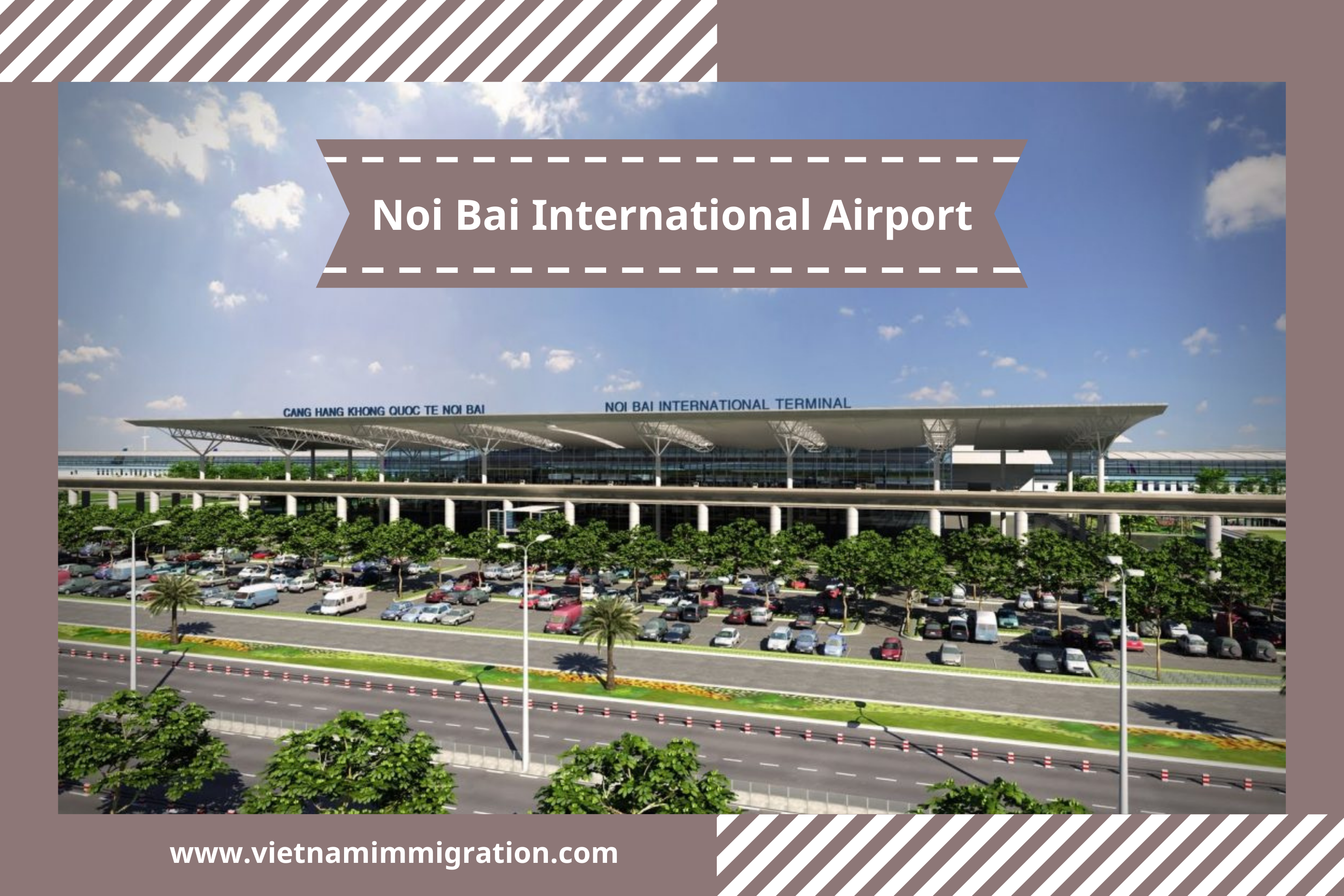
  • Accepted at international airports, including Noi Bai International Airport
  • Suitable for travelers who want to avoid embassy visits and paperwork

Basic passport requirements for Australians:
  • Passport valid for at least 6 months beyond your entry date
  • At least one blank page for entry stamps
  • Passport details must exactly match the information on your E-visa

Is Vietnam E-Visa Valid for Hanoi (Noi Bai) International Airport?

Yes, Hanoi (Noi Bai) International Airport is an approved entry point for Vietnam E-visas. However, approval alone is not enough—you must ensure your visa details are 100% correct.

Mandatory requirements you must check:

  • Entry port must clearly state Hanoi (or Noi Bai International Airport)
  • Type of entry must match your travel plan:
    • Single entry (enter once)
    • Multiple entry (enter more than once during validity)

If the entry port on your E-visa does not match Hanoi, airline staff in Australia may refuse to let you board—even if your visa looks “approved.”


Step-by-Step: How Australians Apply for a Vietnam E-Visa to Enter Hanoi Airport

Step 1: Prepare Your Documents
Before applying, make sure you have:

  • A clear scan/photo of your Australian passport biodata page
  • A passport-style photo (white background, no glasses, no filters)
  • Your arrival date and planned entry airport (Hanoi)

Step 2: Complete the Online Application
Fill in the E-visa form carefully. This is where many mistakes happen.

  • Enter your full name exactly as shown on your passport
  • Double-check passport number and expiry date
  • Select Hanoi as your entry port

Step 3: Review All Information
Before submitting:

  • Check spelling of your name
  • Confirm passport number digit by digit
  • Recheck entry port and visa validity dates

One typo can invalidate the visa at immigration.

Step 4: Pay and Wait for Approval
After payment, your application goes into processing. Do not book non-refundable flights until your visa is approved and verified.


Vietnam E-Visa Processing Time & Cost for Australians

Processing time

  • Standard processing: typically 3–5 working days
  • Urgent processing: as fast as 2–8 hours, depending on service level

Cost

  • Costs vary based on:
    • Single vs multiple entry
    • Normal vs urgent processing

Risks with urgent visas

  • Limited time to correct mistakes
  • Delays causing missed flights
  • Stress at airline check-in counters

Many Australians miss flights simply because their visa approval arrives too late or contains small errors.


Common Mistakes Australians Make When Applying for Vietnam E-Visa

Even experienced travelers make these mistakes:

  • Choosing the wrong entry airport
  • Entering an incorrect passport number
  • Uploading unclear passport scans or photos
  • Applying through unverified or unreliable websites
  • Assuming approval = guaranteed entry

Vietnam immigration is strict about data accuracy. Any mismatch can result in entry refusal.


How to Ensure 100% Successful Entry at Hanoi Airport for Australians

Pre-flight checklist

  • Print at least two copies of your E-visa
  • Ensure passport validity exceeds 6 months
  • Confirm entry port shows Hanoi
  • Match travel dates with visa validity

The safest solution if you’re unsure
For first-time visitors, urgent travel, or important trips, many Australians choose professional support.

VietnamImmigration.com provides:

  • Expert verification before submission
  • Fast-track processing from 2–8 hours
  • Simplified documentation
  • 24/7 support and 100% money-back guarantee

This ensures peace of mind and smooth entry at Hanoi Airport.


Conclusion & Final Advice for Australians

Entering Vietnam through Hanoi Airport with an E-visa is straightforward—as long as every detail is correct. Most issues come from small, avoidable mistakes.

Follow this guide carefully, prepare early, and double-check everything. If certainty and time matter, using a trusted visa service can turn a stressful process into a guaranteed success.


YOU MIGHT BE INTERESTED
Visit this link on mobile
Risky Free:
We charge service fee when your visa application is processed successfully.
Hassle-Free:
No passport send-off. No embassy queuing.
Fast:
Within 48 hours processing time.
Accessible:
100% online. Send and receive by email.
APPLY FOR VISA ON ARRIVAL VIETNAM
VietnamImmigration.com is a commercial website providing service for visa Vietnam and charge service fee. We are neither government website nor affiliated with embassy therefore our fee is higher than official fee from government.