Processing a Vietnam Visa on Arrival becomes a smooth and predictable experience once you understand how the system works. Despite the name, a Visa on Arrival isn’t something you obtain spontaneously after landing in Vietnam. Instead, the procedure requires travellers to prepare ahead of time—specifically by securing a Visa Approval Letter before boarding any flight to Vietnam. Without this document, airlines will deny boarding and immigration officers won’t be able to issue a visa at the airport. This guide explains each step in detail so you can process Vietnam Visa On Arrival correctly, avoid delays, and ensure a stress-free arrival experience.
Vietnam Visa On Arrival (VOA) is an entry option that allows travellers arriving by air at major international airports—including Hanoi, Ho Chi Minh City, Da Nang, Cam Ranh, and Phu Quoc—to collect their visa upon entry. Even though the term implies airport-based processing, the VOA system requires travellers to secure a Visa Approval Letter in advance. This document, issued by the Vietnam Immigration Department, authorizes airport officers to place the visa sticker in your passport when you land.
VOA appeals to travellers seeking a simpler alternative to embassy applications. Instead of scheduling appointments or submitting physical documents, travellers complete the initial process online. There’s no need to courier your passport or assemble complex paperwork, making VOA particularly convenient for those planning trips on short notice.
Travellers may select single-entry or multiple-entry visas depending on their travel plans. Each visa category offers different duration options, suitable for tourism, business travel, or multi-country itineraries. Understanding how VOA operates—particularly the importance of the Approval Letter—is essential for a seamless entry into Vietnam.
A major advantage of processing a Vietnam Visa On Arrival is the convenience it offers. The application begins online, eliminating the need for embassy visits or lengthy documentation. Travellers simply fill out an online form and wait for their Approval Letter via email.
Speed is another reason VOA is widely preferred. Travel plans can change quickly, and VOA supports urgent departures with express processing. Travellers can receive their Approval Letter within 2–8 hours, allowing last-minute trips without the delays usually associated with traditional visas.
Another benefit is predictability. Since most of the work occurs before departure, travellers arrive at the airport already knowing what to expect. With the correct documents prepared, the airport step becomes straightforward—submit your paperwork, wait briefly, pay the stamping fee, and receive your visa.
VOA stands out as a flexible, time-efficient, and stress-free option for travellers who value simplicity and speed in their visa process.

To process VOA successfully, travellers need to prepare several essential documents before flying to Vietnam. First, the passport must be valid for at least six months beyond the date of arrival. Immigration authorities enforce this strictly, so checking validity in advance is crucial.
The printed Visa Approval Letter is mandatory. All details on the letter must match your passport exactly—name formatting, passport number, and date of birth must be accurate. Even minor discrepancies can cause delays at check-in or upon arrival.
Travellers must also bring two passport-sized photos (4×6 cm, white background). These photos are needed for the visa sticker at the airport. While photo booths may exist in some airports, availability cannot be guaranteed, so preparing photos beforehand avoids inconvenience.
A visa stamping fee, paid in USD, is required upon arrival. The fee for a single-entry visa is 25 USD, while multiple-entry visa fees vary depending on the duration. Travellers must also complete the NA1 entry form, available both at the airport and online for pre-printing.
With these items ready, the VOA process becomes efficient and straightforward.
The Approval Letter is the key step in processing Vietnam VOA, and the online application is simple. Travellers begin by visiting VietnamImmigration.com, a reputable service provider with extensive experience assisting international visitors. The application requires basic personal information, including passport details, arrival airport, intended entry date, and visa type.
Once submitted, travellers select a processing time. Standard processing usually takes 3–5 business days, suitable for those planning ahead. For urgent trips, express options—8 hours, 4 hours, or 2 hours—are available.
After payment is completed, the Vietnam Immigration Department reviews the application. When approved, the Approval Letter is sent via email in PDF format. Travellers should print at least two copies, ensuring they have both a primary and a backup copy during travel.
Having the Approval Letter prepared before departure ensures smooth check-in and a seamless VOA experience at Vietnamese airports.

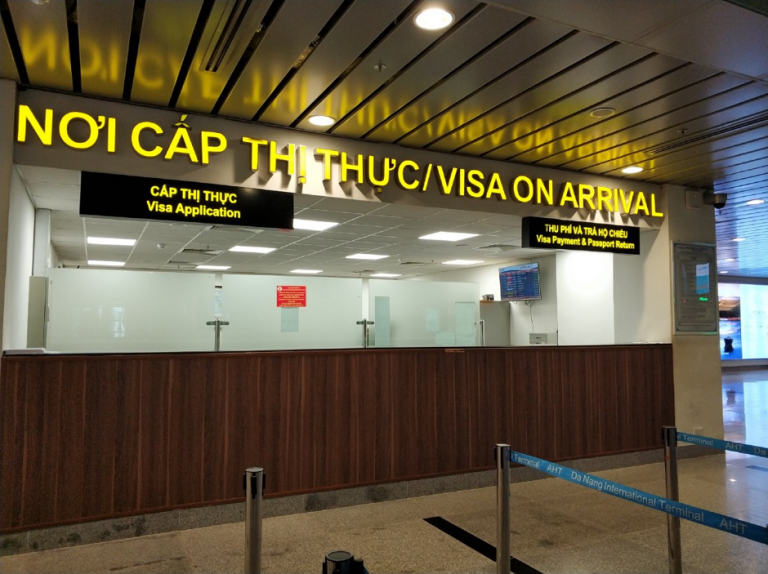
Upon landing in Vietnam, follow signs directing you to the Visa On Arrival or Landing Visa counter. This area is located before the immigration checkpoint. Travellers should not queue for passport control until after receiving their VOA sticker.
At the VOA counter, submit your printed Approval Letter, passport, photos, and completed NA1 form. Immigration officers will review your documents and may ask you to wait during processing. Depending on airport traffic, the wait is typically 15 to 30 minutes.
Once your name is called, return to the counter to pay the stamping fee in USD. Officers will then place the visa sticker inside your passport. It is important to check the visa details—entry dates, visa type, and personal information—to ensure accuracy.
After receiving the visa, travellers can proceed to immigration for the entry stamp. Once cleared, you are free to collect your luggage and begin your time in Vietnam.
Several avoidable errors can delay VOA processing. One of the most frequent mistakes is entering incorrect information when applying for the Approval Letter. Errors such as reversed passport numbers or misspelled names can cause complications.
Another common issue is forgetting to print the Approval Letter. Airlines and immigration officers require a physical copy; relying solely on a digital version may result in denied boarding or delays at the airport.
Some travellers forget to bring photos or bring photos with incorrect dimensions, causing delays at the visa counter. Photo services may not always be available.
The most widespread misconception is believing that Vietnam issues visas directly at the airport without prior approval. This is incorrect—no Vietnam airport can issue VOA without the Approval Letter.
Avoiding these mistakes ensures a smooth, trouble-free arrival.
Processing a Vietnam Visa On Arrival is a convenient and flexible option for travellers entering Vietnam by air. With the Approval Letter secured ahead of time and all required documents prepared, the airport process becomes simple and efficient. Understanding each stage helps ensure a smooth arrival, allowing you to focus on enjoying your trip.