With your tickets and accommodations arranged, you are prepared for your forthcoming trip to Vietnam. But you remember that you need a visa, and the departure date is drawing near. …

Planning a trip to vibrant Vietnam, but worrying about the long waiting time of E-visa process? You’re not alone. Many travelers find navigating the maze of paperwork and online forms overwhelming. Luckily, there’s a simpler solution waiting for you: the Vietnam Visa On Arrival. This hassle-free alternative to the e-visa streamlines your journey, allowing you to get visa approval very quickly. In this ultimate guide, we’ll walk you through everything you need to know about applying for a Vietnam Visa On Arrival, ensuring that your travel preparations are as stress-free as possible. Say goodbye to tedious applications and hello to a seamless travel experience. Dive in and discover how to make your entry into Vietnam smooth and straightforward!
When planning your trip to Vietnam, determining the most suitable visa type is crucial. The Visa On Arrival (VOA) and the E-visa represent two primary options available to travelers, each with its unique application process and requirements. Understanding the distinctions between them can significantly impact your travel preparation process.
The E-visa, introduced to simplify entry into Vietnam, is an electronic visa available to citizens of all countries. Applicants can complete the entire process online, from application to payment, and receive their visa electronically. This visa is valid for up to 90 days, with single or multiple entry. The process is straightforward but can vary in processing times, and not all entry points accept the E-visa.
Conversely, the Visa On Arrival requires travelers to obtain a pre-approval letter before departure. Upon arrival in Vietnam, they present this letter, along with other required documents, to receive their visa stamp. The Visa On Arrival is available for both tourist and business purposes, offering more flexibility with single and multiple entry options for up to 3 months, dependent on what the traveler applies for. This option necessitates interaction with immigration authorities upon arrival but can be more accommodating for last-minute trips and longer stays.

The Vietnam E-visa is touted for its convenience, but the processing time can vary. Normally, it takes about 3 to 5 working days to receive your visa after submitting the application. However, this timeframe can extend due to several factors. Common reasons for delays include entering incorrect information on the application form or uploading documents that do not meet the required specifications.
Technical problems with the immigration department’s website or a high volume of applications, especially during peak travel seasons, can also cause delays. These are factors beyond the applicant’s control, making it crucial to apply well in advance of your planned travel date to avoid any last-minute inconveniences.
It’s also worth noting that the E-visa system is relatively strict about adherence to requirements. Small mistakes can lead to application denials or the need to reapply, which further emphasizes the importance of double-checking all entered information and attached documents.
The processing time for a Vietnam Visa On Arrival is notably quicker and more predictable than that of an E-visa, primarily because it involves obtaining a pre-approval letter before your trip. Typically, this letter can be secured within 2 to 3 business days for standard processing. However, for those in a hurry, expedited services can reduce this wait time to just a few hours, making it an excellent option for last-minute trips.
It’s important to note that the pre-approval letter is not the visa itself but a document granting permission to board your flight to Vietnam and get the visa stamp upon arrival. After receiving the letter via email, you should print it out to present at the visa-on-arrival counter at one of Vietnam’s international airports.
Despite its name, the Visa On Arrival does require some pre-trip planning. The key advantage lies in its flexibility and the speed of obtaining the pre-approval letter, especially compared to potential delays with the E-visa system.

To ensure a smooth Visa On Arrival process, being prepared with the correct documentation is essential. The required documents are straightforward but must be presented correctly to avoid any delays upon your arrival in Vietnam.
First and foremost, you will need the pre-approval letter obtained before your departure. This document is crucial and serves as your gate pass to board the airplane and to obtain your visa stamp once you land in Vietnam. Alongside this letter, a completed entry and exit form, which is often sent with your pre-approval letter email, must be filled out in advance to save time at the airport.
Additionally, you must present two passport-sized photos. These photos should meet the standard passport photo criteria: a white background, no glasses, and a clear view of your face. It’s also vital to have your original passport, which should be valid for at least six months beyond your arrival date, and it must have at least two blank pages for the visa stamp. Finally, the visa stamping fee, payable in cash upon arrival, is required. It’s important to check the latest fee structure before your trip, as fees can vary depending on the visa type and duration.
Applying for a Visa On Arrival to Vietnam involves several steps, which, when followed correctly, can ensure a hassle-free entry into the country. Here’s a detailed guide to help you navigate the process smoothly.
This step-by-step approach simplifies the Visa On Arrival process, making it accessible for travelers seeking a hassle-free way to enter Vietnam.
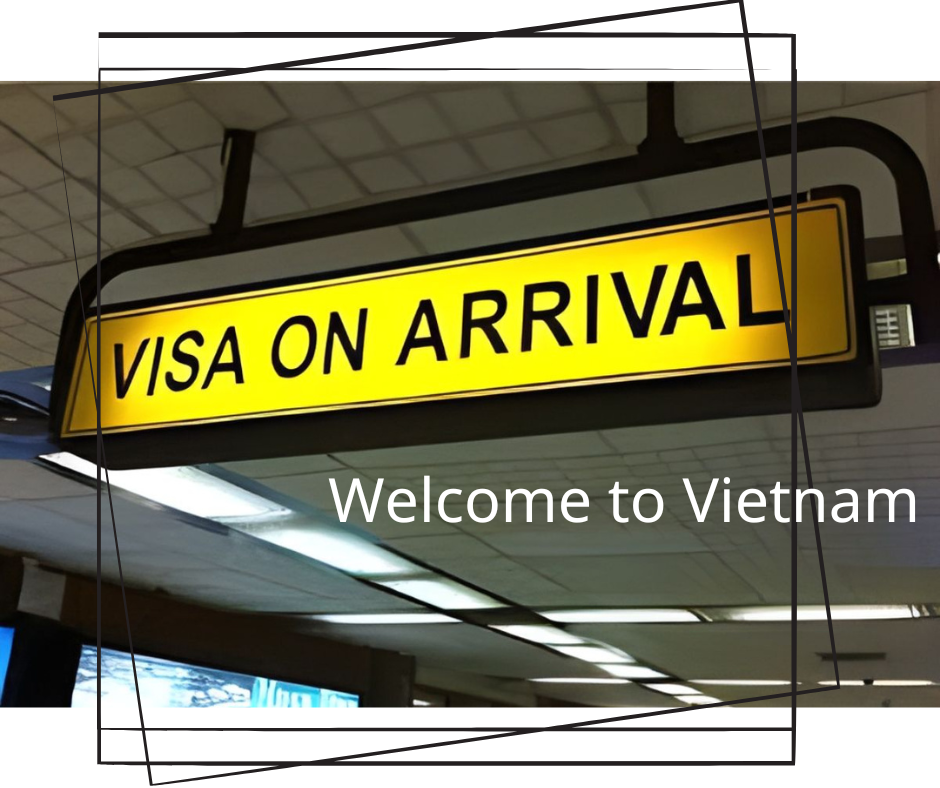
The Vietnam Visa On Arrival offers a practical and efficient alternative to the traditional E-visa, especially for those looking for flexibility or facing delays with their E-visa applications. By understanding the differences between these visa types, preparing the necessary documents, and following the outlined steps for the Visa On Arrival application, travelers can significantly simplify their entry into Vietnam.
Remember, the key to a smooth visa process is preparation. Ensure all your documents are in order, understand the fees involved, and choose the visa type that best suits your travel needs. With this ultimate guide, you’re now equipped to navigate the Vietnam visa process with ease, paving the way for an unforgettable adventure in the heart of Southeast Asia. Welcome to Vietnam!

With your tickets and accommodations arranged, you are prepared for your forthcoming trip to Vietnam. But you remember that you need a visa, and the departure date is drawing near. …

In the process of planning your vacation to Vietnam, you may be curious about the procedures for obtaining a visa at Cam Ranh Airport. Not only are you not alone. …
You’re all set for your upcoming trip to Vietnam, with flights booked and accommodations secured. However, as the departure date approaches, you realize that you haven’t obtained a visa yet. …

You have successfully booked your flights and secured your accommodations for your forthcoming travel to Vietnam. Nevertheless, you come to the realization that you have not yet obtained a visa …

Having flights booked and lodging guaranteed, you are all set for your forthcoming trip to Vietnam. But you find as the departure date draws near that you still need a …

You’re ready for your forthcoming vacation to Vietnam, with flights booked and accommodations secured. However, as the departure date near, you realize you haven’t received your visa yet. Time is …

You’ve booked your flights and reserved your lodging for your next trip to Vietnam. But you discover that you still haven’t gotten a visa as the departure date draws near. …

Your preparations for the forthcoming trip to Vietnam are complete, with flights reserved and lodging confirmed. As the departure date nears, you recognize that you have not yet acquired a …
You have booked your flights and found a place to stay for your upcoming trip to Vietnam. But as the date of leaving gets closer, you realize you still don’t …